Ecuador Travel Security: What Visitors Need to Know About the Current Situation
 ChatGPT 5x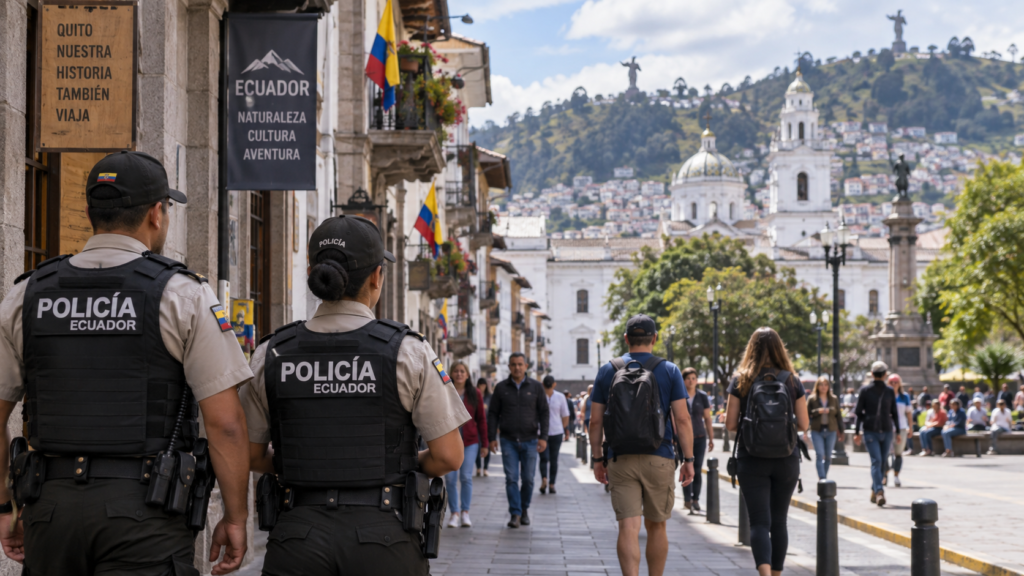
Ecuador remains open to international travelers, but visitors should be aware that the country is experiencing a serious security crisis that affects some regions far more than others.
Organized crime, drug trafficking, extortion, kidnappings, and gang-related violence have increased substantially in recent years, particularly along Ecuador’s Pacific coast. The U.S. Department of State currently rates Ecuador overall at Level 2: Exercise Increased Caution, while recommending substantially greater caution, or avoiding travel altogether, in several parts of the country.
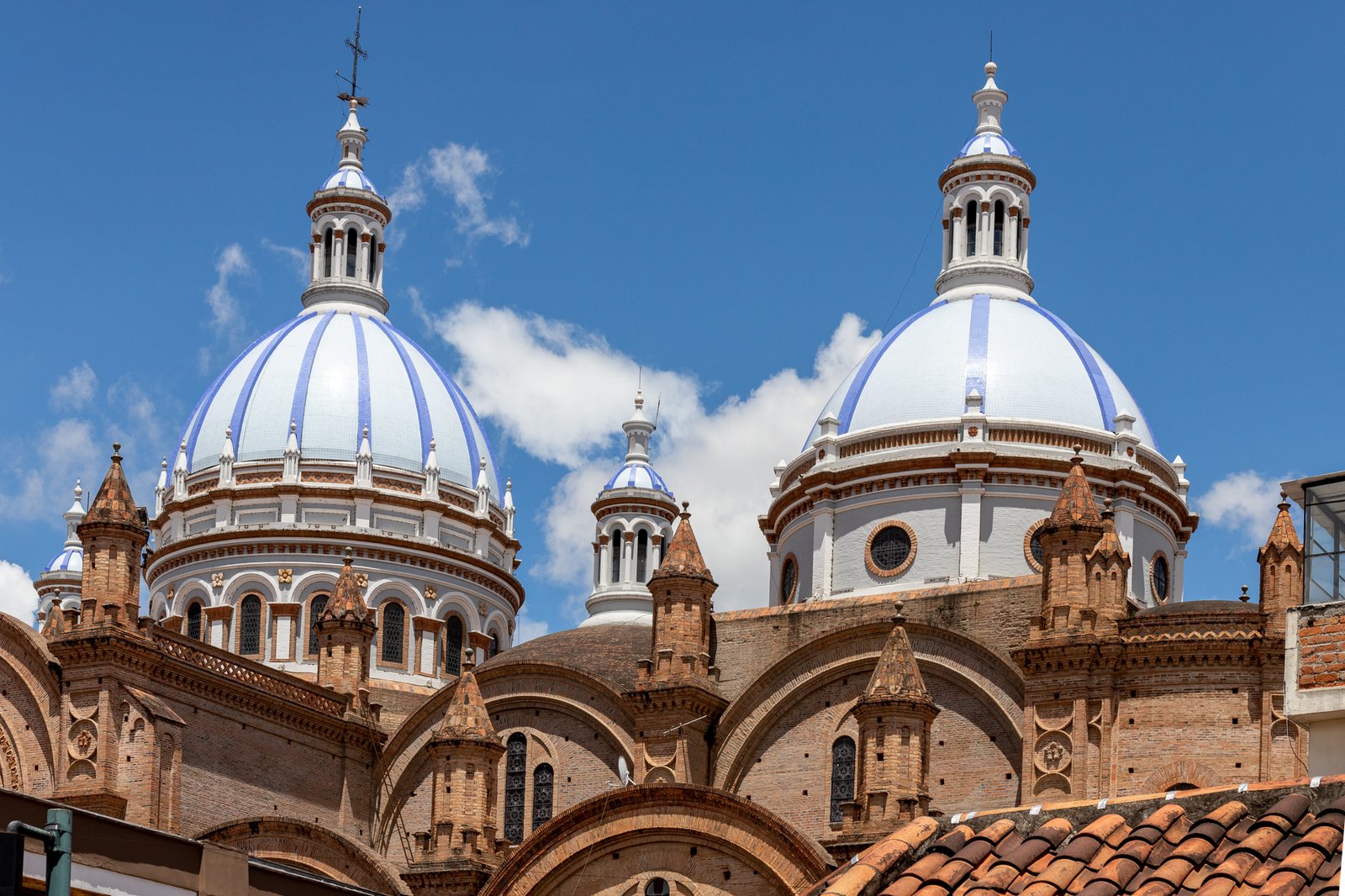
For travelers, however, the security picture is highly regional. Visiting the Galápagos Islands or highland cities such as Cuenca is a very different proposition from traveling through some coastal areas.
A New State of Emergency
On September 15, President Daniel Noboa issued Executive Decree 498, declaring a 60-day state of emergency in eight provinces: Guayas, Manabí, Santa Elena, Los Ríos, El Oro, Pichincha, Esmeraldas, and Santo Domingo de los Tsáchilas.
The emergency also covers the cantons of Camilo Ponce Enríquez in Azuay Province, Las Naves in Bolívar Province, and La Maná in Cotopaxi Province.
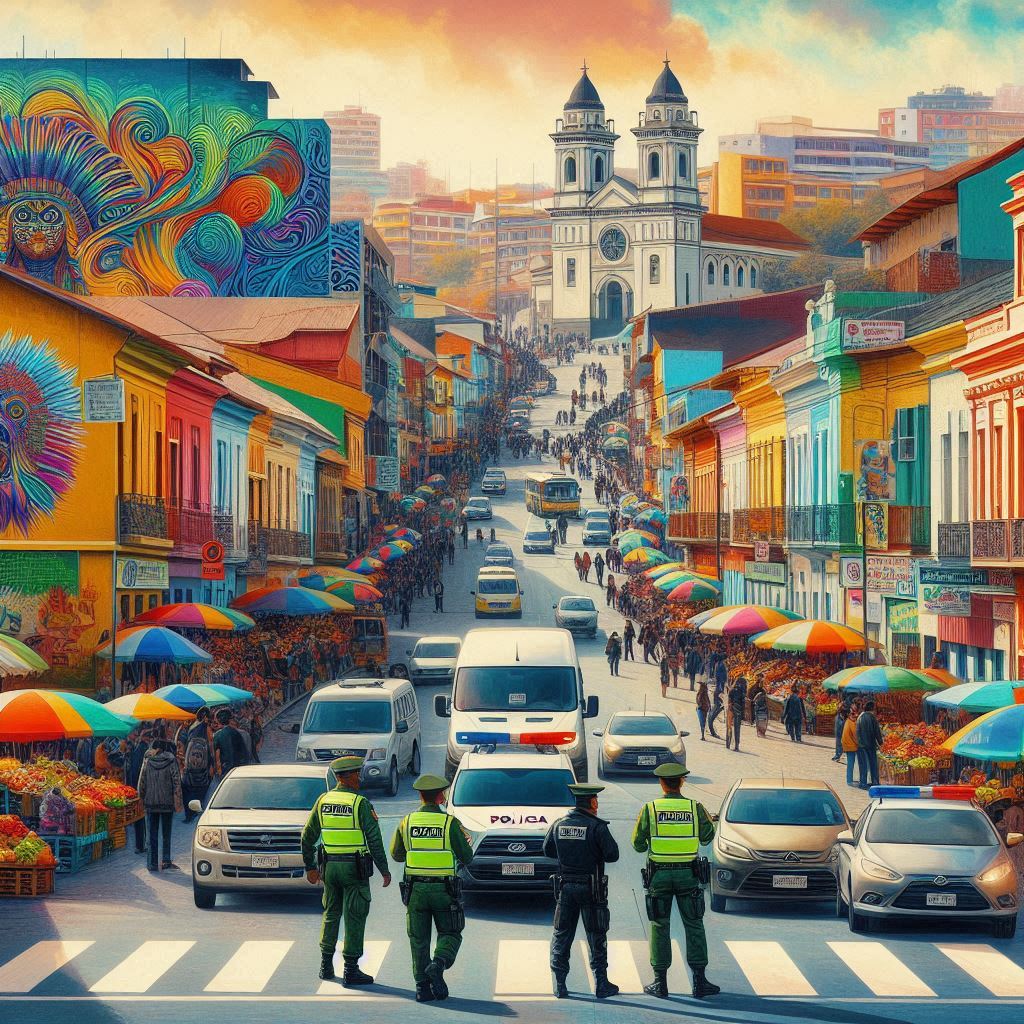
Travelers in these areas should expect an increased police and military presence, checkpoints, security operations, and the possibility of travel disruptions.
Curfew in Four Provinces
A nighttime curfew is currently in effect in Guayas, Manabí, Los Ríos, and El Oro.
The curfew runs from midnight until 5:00 a.m. from September 17 through September 30, 2026. Movement during those hours is restricted, although exceptions exist for certain essential activities, including health care, emergencies, security, public services, and other authorized activities.
This means the curfew includes major destinations and transportation corridors in those provinces, including Guayaquil and much of Ecuador’s central and southern coastal region.
Travelers arriving on late flights or planning overnight ground transportation should verify how the restrictions affect their arrangements.
Where Are the Highest-Risk Areas?
The most serious security concerns remain concentrated along portions of the coast and near the Colombian border.
The U.S. government currently says travelers should not travel to several areas, including Durán; parts of Guayaquil; Huaquillas and Arenillas in El Oro; Quevedo, Quinsaloma, and Pueblo Viejo in Los Ríos; Esmeraldas city and areas north of it; and portions of northern Ecuador approaching the Colombian border.
The UK Foreign, Commonwealth & Development Office takes a broader approach, advising against all but essential travel to the coastal provinces of Esmeraldas, Manabí, Santa Elena, Guayas, El Oro, Los Ríos, and Santo Domingo de los Tsáchilas. It also advises against all but essential travel within 20 kilometers of the Colombian border, with limited exceptions.
Guayaquil deserves particular attention. Gang-related violence has been severe in some neighborhoods, and the U.S. advisory specifically identifies Nueva Prosperina, Pascuales, and areas south of Portete de Tarqui Avenue as places Americans should not visit.
What About Ecuador’s Safer Destinations?
The situation elsewhere can be considerably different.
The Galápagos Islands remain one of Ecuador’s lowest-risk major tourist destinations. Canada’s travel advisory, for example, recommends normal security precautions in the Galápagos, although visitors should still take ordinary precautions against theft and consider the islands’ limited medical facilities.
Cuenca also remains relatively removed from the worst of Ecuador’s organized-crime violence. Although Cuenca has experienced an increase in violent incidents, it continues to have a substantially different security environment from the hardest-hit coastal areas. The current state of emergency does not apply to Cuenca itself; within Azuay Province, it applies specifically to the canton of Camilo Ponce Enríquez.
Other parts of Ecuador’s Andean highlands are not subject to the same elevated foreign-government travel warnings as the coastal provinces, although Pichincha Province, which includes Quito, is currently included in the state of emergency.
Travelers should not interpret “safer” as “crime-free.” Pickpocketing, robbery, taxi-related crime, and theft remain concerns in tourist areas, including Quito and Cuenca.
What Travelers Should Do
Visitors should avoid displaying expensive jewelry, cameras, or large amounts of cash, use reputable transportation, avoid isolated areas after dark, and use ATMs inside banks, hotels, or shopping centers when possible.
Travelers should also avoid demonstrations and roadblocks. Protests in Ecuador can develop quickly and can disrupt highways and intercity transportation with little warning.
Most importantly, visitors should check official travel advisories immediately before departure and periodically while in Ecuador. Security measures, states of emergency, and curfews can change quickly.
Official Travel and Security Information
United States Department of State – Ecuador Travel Advisory:
U.S. Department of State Ecuador Travel Advisory
United Kingdom Foreign, Commonwealth & Development Office – Ecuador Travel Advice:
UK Government Ecuador Travel Advice
Government of Canada – Ecuador Travel Advice and Advisories:
Government of Canada Ecuador Travel Advice
Government of Ecuador – Presidential Decrees:
Presidency of Ecuador Decree Portal
Travelers should check these sources close to their travel date because Ecuador’s security restrictions can change with little notice.
About The Author