 Primary Admin
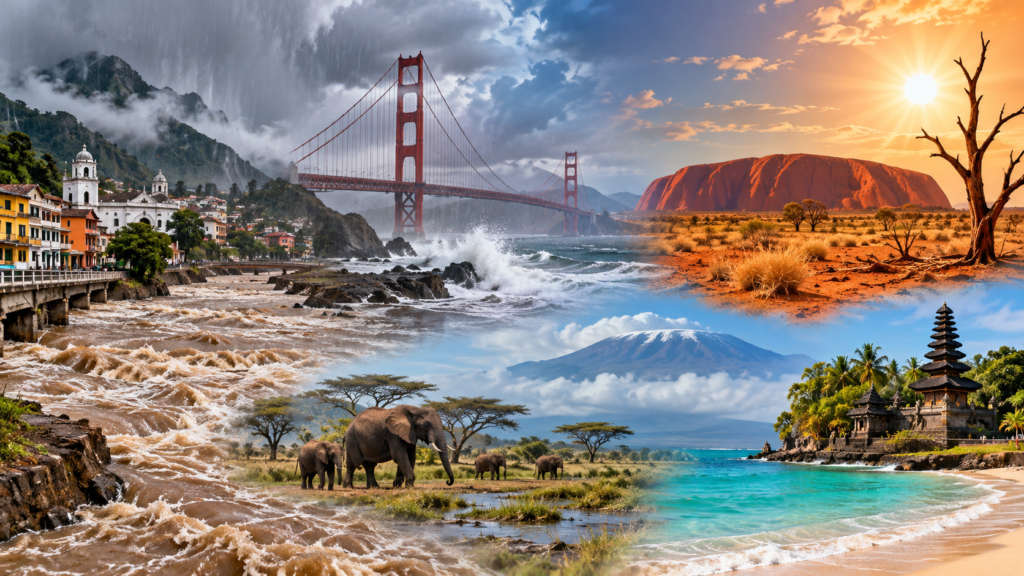
El Niño travel weather: Travelers heading to some of the world’s most popular destinations over the next six months may encounter unusually wet, dry, or hot conditions as one of the strongest El Niño events in decades develops across the Pacific.
The World Meteorological Organization says El Niño is firmly established and is expected to intensify through the end of 2026. NOAA currently estimates a greater than 90% chance that the event will reach “very strong” status during the Northern Hemisphere fall and winter.
For travelers, that does not mean six months of bad weather. El Niño changes the probability of certain weather patterns rather than determining the weather on any particular day. Nevertheless, a strong event can substantially increase the risk of flooding, drought, heat waves, wildfires, and travel disruptions in some destinations.
Peru and Ecuador: Heavy Rain and Flooding a Major Concern
Some of the greatest risks may occur along the Pacific coast of South America.
Unusually warm water off Peru and Ecuador can increase evaporation and atmospheric moisture, potentially producing episodes of exceptionally heavy rainfall. Peru’s official ENFEN monitoring agency currently expects the coastal El Niño to continue into 2027, with an extraordinary-strength event most likely from September through January.
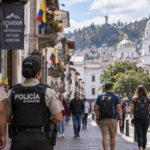
For travelers visiting coastal Peru or Ecuador, the primary concerns are flooding, landslides, road closures, and transportation interruptions.
Lima, Guayaquil, northern Peru, and Ecuador’s coastal region could be affected. Travelers heading into the Andes should also pay attention to road conditions because heavy rain can trigger landslides on mountain highways.
The Galápagos may experience warmer ocean temperatures and changes in marine conditions, although weather effects can vary considerably between islands.
California and the Southern United States: A Wetter Winter
A strong El Niño often shifts the Pacific storm track southward during winter, increasing the likelihood of wetter conditions across California and much of the southern United States.
NOAA’s current seasonal outlook favors wetter-than-normal conditions across a broad section of the southern and central United States during the winter, with the wet signal becoming particularly strong in California.
For visitors to Los Angeles, San Diego, San Francisco, and other California destinations, that could mean more rainy days than during a typical winter. More importantly, intense Pacific storms can occasionally produce flooding, mudslides, highway closures, and flight disruptions.
The Southwest, including parts of Arizona and New Mexico, could also receive additional precipitation.
For ski travelers, increased precipitation can be beneficial, but whether it falls as rain or snow will depend on temperatures and elevation.
Pacific Northwest: Warmer and Drier
The pattern could be almost the opposite farther north.
El Niño winters often bring warmer and drier conditions to the Pacific Northwest and parts of western Canada. Existing drought conditions in portions of the northwestern United States could persist or expand.
Travelers visiting Washington, Oregon, British Columbia, and the northern Rocky Mountains may encounter less snow at lower elevations and a less reliable early ski season.
Mountain resorts at higher elevations can still receive substantial snowfall during El Niño winters, however, so seasonal averages should not be interpreted as forecasts for individual resorts.
Australia: Drought, Heat, and Fire Weather
Australia is another region where El Niño can have major consequences.
El Niño typically reduces rainfall across eastern and central Australia during winter and spring. Australia’s Bureau of Meteorology says below-average rainfall has already affected several regions and notes that El Niño can increase the risk of hotter conditions, heat waves, and dangerous fire weather.
Sydney, Melbourne, Brisbane, and popular inland destinations could therefore experience unusually warm or dry periods during the Southern Hemisphere spring and summer.
For travelers, drought itself may have relatively little direct impact, but associated bushfires and smoke can cause road closures, flight disruptions, poor air quality, and temporary closures of parks and tourist attractions.
The influence of El Niño on Australian rainfall typically weakens around early summer, so conditions later in the six-month period remain less certain.
Bali and Indonesia: Less Rain, But Greater Drought Risk
El Niño generally suppresses rainfall across Indonesia.
That can have an unexpected benefit for some visitors: destinations such as Bali may experience more sunny days and less rain than normal.
However, prolonged dryness also increases the risk of drought, water shortages, forest and peat fires, and smoke. Indonesia’s meteorological agency has already reported widespread below-normal rainfall associated with El Niño.
Travelers should therefore not assume that unusually dry weather is entirely beneficial, particularly if regional fires affect air quality.
East Africa: Greater Risk of Heavy Rain and Flooding
The situation is dramatically different in East Africa.
El Niño is associated with wetter conditions during the October-to-December “short rains” season. Current regional forecasts indicate above-normal rainfall across much of Kenya, Somalia, Uganda, Rwanda, Burundi, and parts of Tanzania and Ethiopia.
For safari travelers visiting Kenya and Tanzania, additional rain can transform landscapes and improve water availability for wildlife. It can also make unpaved roads difficult or impossible to use.
Flooding could disrupt road travel, safari operations, and access to some remote lodges.
Caribbean: Potentially Fewer Hurricanes
El Niño tends to suppress Atlantic hurricane development by increasing upper-level wind shear.
NOAA currently expects the 2026 Atlantic hurricane season to be below normal, with El Niño playing an important role. That is encouraging for travelers heading to the Caribbean, Florida, Mexico’s Caribbean coast, and the Bahamas through the end of hurricane season on November 30.
It does not eliminate hurricane risk. Even during a quiet season, a single storm can have devastating effects on an individual destination.
What Travelers Should Expect
Perhaps the most important lesson from El Niño is that its effects are uneven.
Over the next six months, travelers could face too much rain in coastal Peru, Ecuador, California, and East Africa, while Australia and parts of Southeast Asia contend with drought and heat. Northern portions of North America may experience warmer, drier conditions, while the southern United States could see a wetter winter.
None of these outcomes is guaranteed. Seasonal climate forecasts describe probabilities across large regions, not the weather during a particular vacation.
For travelers planning trips between now and March 2027, the best strategy is to check seasonal conditions when choosing destinations, then consult local weather services again shortly before departure. With an unusually strong El Niño developing, historical definitions of the “dry season” and “rainy season” may be less reliable than usual.
About The Author