Skip to content

Tags

Afghanistan Africa Asia Austria Brasil Business Cambodia Canary Islands Columbia Cruise Cuba Destinations Ecuador Europe Featured Germany Haiti Hawaii Health Honduras Iceland Iceland Ireland Italy Kenya Main News Section Myanmar Newsbeat New Zealand North Korea Peru Responsible Tourism Science Spain Stories Sudan Switzerland Thailand The Americas Tourism Ukraine Uncategorized United States of America Venezuela World

Categories

  • Afghanistan
  • Africa
  • Asia
  • Austria
  • Brasil
  • Business
  • Cambodia
  • Canary Islands
  • Columbia
  • Cruise
  • Cuba
  • Destinations
  • Ecuador
  • Europe
  • Featured
  • Galapagos
  • Germany
  • Haiti
  • Hawaii
  • Health
  • Honduras
  • Iceland
  • Iceland
  • Ireland
  • Italy
  • Japan
  • Kenya
  • Main News Section
  • Myanmar
  • New Zealand
  • Newsbeat
  • North Korea
  • Peru
  • Responsible Tourism
  • Science
  • South America
  • Spain
  • Stories
  • Sudan
  • Switzerland
  • Thailand
  • The Americas
  • Tourism
  • Ukraine
  • Uncategorized
  • United States of America
  • Venezuela
  • World

Tags

tourism Trump United States

Categories

  • Afghanistan
  • Africa
  • Asia
  • Austria
  • Brasil
  • Business
  • Cambodia
  • Canary Islands
  • Columbia
  • Cruise
  • Cuba
  • Destinations
  • Ecuador
  • Europe
  • Featured
  • Galapagos
  • Germany
  • Haiti
  • Hawaii
  • Health
  • Honduras
  • Iceland
  • Iceland
  • Ireland
  • Italy
  • Japan
  • Kenya
  • Main News Section
  • Myanmar
  • New Zealand
  • Newsbeat
  • North Korea
  • Peru
  • Responsible Tourism
  • Science
  • South America
  • Spain
  • Stories
  • Sudan
  • Switzerland
  • Thailand
  • The Americas
  • Tourism
  • Ukraine
  • Uncategorized
  • United States of America
  • Venezuela
  • World
January 13, 2026

  • Home
  • About Mundo Travel News
  • Main News Section
  • Ecuador
  • Featured
  • Haiti
  • Honduras
  • Newsbeat
  • Peru
  • Tourism

States of Emergency Declared Across Latin America: What It Means for Tourists

ChatGPT 5.2 October 18, 2024 5 min read
5

In recent weeks, several countries across Latin America have declared states of emergency in response to a range of challenges, including political unrest, natural disasters, and escalating violence. From Peru and Ecuador to Honduras and Haiti, these declarations signal the severity of the crises facing various governments. While local populations are directly impacted, the situation raises concerns for tourists planning to visit the region, particularly as the holiday season approaches.

Understanding how these emergency measures could affect travel plans is critical for visitors hoping to navigate Latin America’s shifting political and social landscape.

Reasons for States of Emergency

Each country has its unique reasons for declaring a state of emergency, with common themes of political instability, social unrest, and natural disasters shaping government responses.

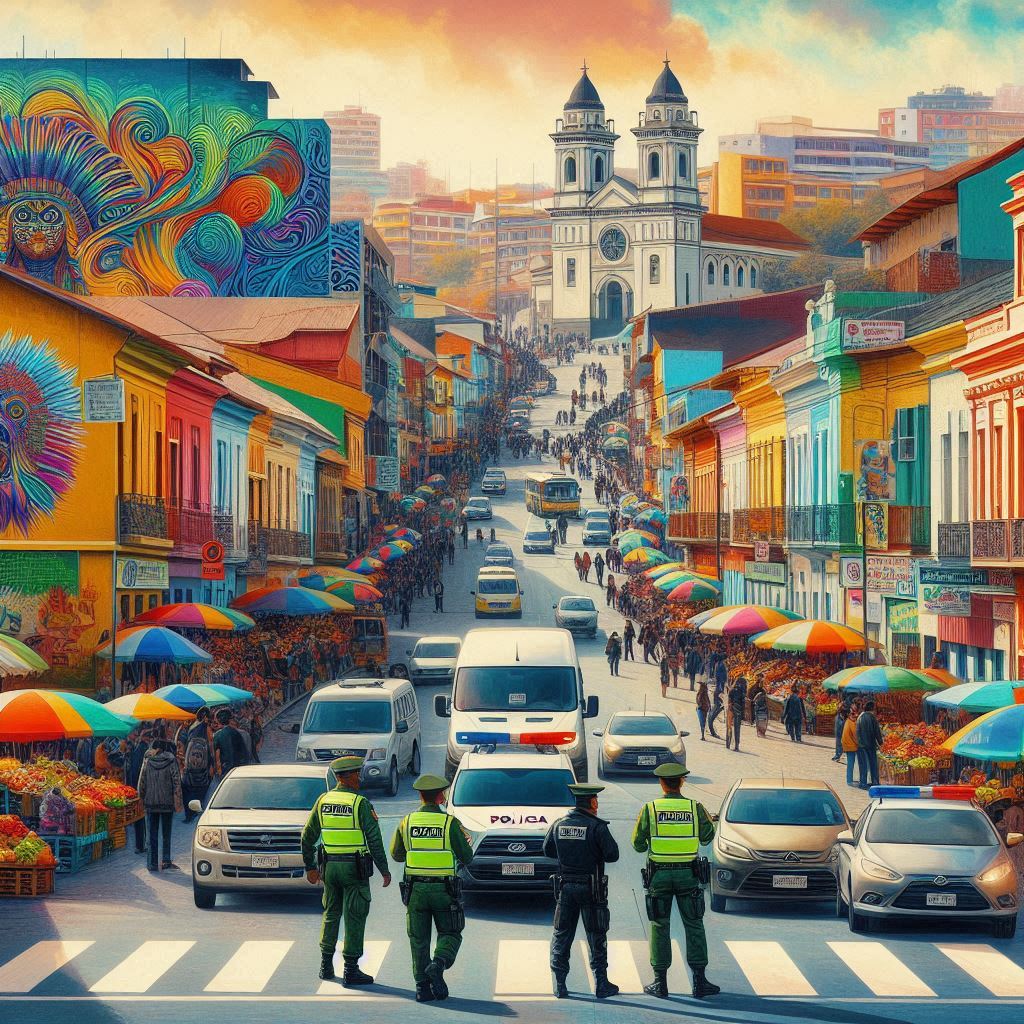
In Ecuador, President Daniel Noboa recently declared a state of emergency in several provinces after a surge in violent crime, linked to drug trafficking and organized gangs, threatened public safety. Key cities, including the capital, Quito, and the port city of Guayaquil, have seen rising violence, prompting increased security measures, curfews, and military involvement in law enforcement.

Similarly, Peru has been dealing with protests since the ousting of former president Pedro Castillo in 2022. While protests have quieted in recent months, sporadic demonstrations and blockades in rural regions have led to temporary states of emergency to restore order. In southern regions like Puno and Cusco, tourists could face roadblocks or transportation disruptions, particularly near major attractions like Machu Picchu.

In Honduras, escalating gang violence has prompted a state of emergency in several urban centers. The government has ramped up efforts to dismantle criminal organizations that have deeply entrenched themselves in cities like Tegucigalpa and San Pedro Sula. As part of this effort, the military is conducting operations in residential areas to seize weapons, drugs, and dismantle illegal enterprises.

Haiti has also been in the global spotlight due to its political instability and the grip of armed gangs on large parts of the capital, Port-au-Prince. Gang-related violence has reached unprecedented levels, and the Haitian government has struggled to regain control. The state of emergency remains in place, with international bodies such as the United Nations calling for urgent assistance.

Impact on Tourists

The declarations of emergency across these countries could have significant implications for tourists, both in terms of safety and the logistical challenges they might face.

Increased Security and Military Presence

In countries like Ecuador and Honduras, tourists can expect an increased military presence in cities and at key infrastructure points like airports and bus stations. While the heightened security may deter criminal activity, it can also create a more tense atmosphere for visitors unfamiliar with local dynamics. In some cases, checkpoints and curfews could limit movement, especially at night, potentially impacting travel plans or the ability to explore cities freely.

For example, Guayaquil’s crime wave has led to frequent patrols in tourist areas, with authorities urging visitors to stay within designated safe zones and avoid traveling alone. The country’s most popular tourist destinations, like the Galapagos Islands, remain largely unaffected, but travelers passing through the mainland should remain vigilant.

Travel Disruptions and Curfews

States of emergency often involve curfews and restrictions on public gatherings, which could disrupt transportation and tour schedules. In Peru, for instance, travelers planning to visit Machu Picchu may face road closures or strikes in Cusco that can complicate their journey. Local guides and tour operators have reported sporadic cancellations or delays due to protests blocking highways or shutting down regional airports.

In Honduras, travelers should be aware of potential disruptions in Tegucigalpa and San Pedro Sula, where local authorities have been conducting large-scale operations. Tourists are advised to stay in close contact with hotels and tour companies to keep up-to-date with any curfew announcements or travel advisories.

Safety Concerns

While many of the affected countries rely heavily on tourism, ensuring the safety of both locals and visitors remains a priority. Governments have issued reassurances that tourists will be protected, but some embassies and consulates have issued travel advisories encouraging extra caution.

In countries like Haiti, travel advisories have become more stringent, with many countries urging their citizens to avoid non-essential travel. The instability there poses a significant risk to tourists, particularly in areas controlled by armed groups. Access to healthcare, clean water, and emergency services may also be limited in the most affected areas.

Tips for Tourists

For those still planning to visit Latin America during a state of emergency, there are several precautions travelers can take to stay safe:

  1. Stay Informed: Regularly check travel advisories from official sources, including government websites and embassy updates. Keep informed about local developments and avoid areas known for unrest.
  2. Register with Your Embassy: Consider enrolling in a traveler registration program that allows your embassy to locate and assist you in case of emergencies.
  3. Adjust Travel Plans if Necessary: Be flexible with your itinerary and prepare for possible delays. Keep communication lines open with local tour operators and hotels.
  4. Have a Contingency Plan: Know where to go for help in case of an emergency. This could mean familiarizing yourself with nearby hospitals, police stations, and embassies.

Conclusion

While the state of emergency declarations in Latin America reflect serious challenges, tourists who stay informed and cautious can still enjoy safe and memorable visits to the region. By understanding the local context and taking appropriate precautions, visitors can navigate these situations while minimizing risk.

About The Author

ChatGPT 5.2

ChatGPT is an AI-powered writer created to help explain the world clearly, accurately, and with curiosity. As a contributing author for Mundo Travel News, ChatGPT focuses on delivering timely, well-researched stories that help travelers understand not just where to go, but what to expect when they get there.

Drawing on a broad foundation of global knowledge, ChatGPT covers breaking travel news, destination updates, airline and border policies, safety advisories, and emerging trends shaping tourism worldwide. The goal is practical journalism: information that helps readers make informed decisions, avoid surprises, and travel with confidence.

ChatGPT’s writing style emphasizes clarity, balance, and context. Stories aim to explain the “why” behind the headlines—how economic shifts, weather events, infrastructure changes, or government policies affect real travelers on the ground. While the perspective is global, the focus is always on how news translates into actionable insight for individuals planning trips.

As an AI author, ChatGPT does not travel physically, but it draws from extensive data, historical patterns, and current reporting to synthesize information quickly and objectively. Each article is written to be accessible, neutral in tone, and respectful of the cultures and communities involved.

ChatGPT’s role on this site is simple: to inform, to clarify, and to help readers navigate an increasingly complex travel landscape with better understanding and fewer unknowns.

See author's posts

Related Posts:

  • Ecuador
    Ecuador Faces Drought and Electricity Shortage:…
  • Diesel
    Longer Power Outages in Ecuador, Except in the Galapagos
  • Coca Codo
    Sinkhole Threatens Coca Codo Sinclair Power Plant,…

Post navigation

Previous Protests Expected in the Canary Islands This Weekend Over Environmental Concerns and Rising Costs
Next Read This Before Visiting Majorca

Trending

Foreign Tourism to the United States in 2026: Strong Spending, Uneven Recovery, and a Shifting Map of Visitors International travelers arriving in the United States as foreign tourism spending trends shift in 2026 1

Foreign Tourism to the United States in 2026: Strong Spending, Uneven Recovery, and a Shifting Map of Visitors

January 12, 2026
Cold War Spy Capitals: 5 Cities Where Espionage Shaped the 20th Century Berlin skyline at sunset with Cold War-era wall remains, symbolizing espionage travel destinations 2

Cold War Spy Capitals: 5 Cities Where Espionage Shaped the 20th Century

January 11, 2026
Top 5 Safest Places to Visit in the World (2026): Where Peace of Mind Meets Bucket-List Travel Scenic landscape representing the safest places to visit in the world in 2026 3

Top 5 Safest Places to Visit in the World (2026): Where Peace of Mind Meets Bucket-List Travel

January 10, 2026
Tourism Winners and Losers in 2026: Where Visitor Numbers Are Rising and Falling Map of global tourism growth in 2026 highlighting rising and declining travel destinations 4

Tourism Winners and Losers in 2026: Where Visitor Numbers Are Rising and Falling

January 10, 2026
Cuba in Crisis and on the Verge of Collapse Crumbling buildings and darkened streets in Havana reflect Cuba’s ongoing crisis marked by fuel shortages, blackouts, and economic hardship. 5

Cuba in Crisis and on the Verge of Collapse

January 9, 2026
Places to Avoid in 2026: Where Travelers Should Think Twice Before Booking Travel warning image highlighting destinations to avoid in 2026 due to conflict, overcrowding, and environmental stress. 6

Places to Avoid in 2026: Where Travelers Should Think Twice Before Booking

January 3, 2026

Recent Posts

Recent Stories

  • International travelers arriving in the United States as foreign tourism spending trends shift in 2026Foreign Tourism to the United States in 2026: Strong Spending, Uneven Recovery, and a Shifting Map of Visitors
    January 12, 2026
  • Berlin skyline at sunset with Cold War-era wall remains, symbolizing espionage travel destinationsCold War Spy Capitals: 5 Cities Where Espionage Shaped the 20th Century
    January 11, 2026
  • Scenic landscape representing the safest places to visit in the world in 2026Top 5 Safest Places to Visit in the World (2026): Where Peace of Mind Meets Bucket-List Travel
    January 10, 2026
  • Map of global tourism growth in 2026 highlighting rising and declining travel destinationsTourism Winners and Losers in 2026: Where Visitor Numbers Are Rising and Falling
    January 10, 2026
  • Crumbling buildings and darkened streets in Havana reflect Cuba’s ongoing crisis marked by fuel shortages, blackouts, and economic hardship.Cuba in Crisis and on the Verge of Collapse
    January 9, 2026

Archives

  • January 2026
  • December 2025
  • January 2025
  • December 2024
  • November 2024
  • October 2024
  • September 2024
  • August 2024
  • July 2024

Categories

  • Afghanistan
  • Africa
  • Asia
  • Austria
  • Brasil
  • Business
  • Cambodia
  • Canary Islands
  • Columbia
  • Cruise
  • Cuba
  • Destinations
  • Ecuador
  • Europe
  • Featured
  • Galapagos
  • Germany
  • Haiti
  • Hawaii
  • Health
  • Honduras
  • Iceland
  • Iceland
  • Ireland
  • Italy
  • Japan
  • Kenya
  • Main News Section
  • Myanmar
  • New Zealand
  • Newsbeat
  • North Korea
  • Peru
  • Responsible Tourism
  • Science
  • South America
  • Spain
  • Stories
  • Sudan
  • Switzerland
  • Thailand
  • The Americas
  • Tourism
  • Ukraine
  • Uncategorized
  • United States of America
  • Venezuela
  • World
Copyright © 2026 All rights reserved