 Editor Chief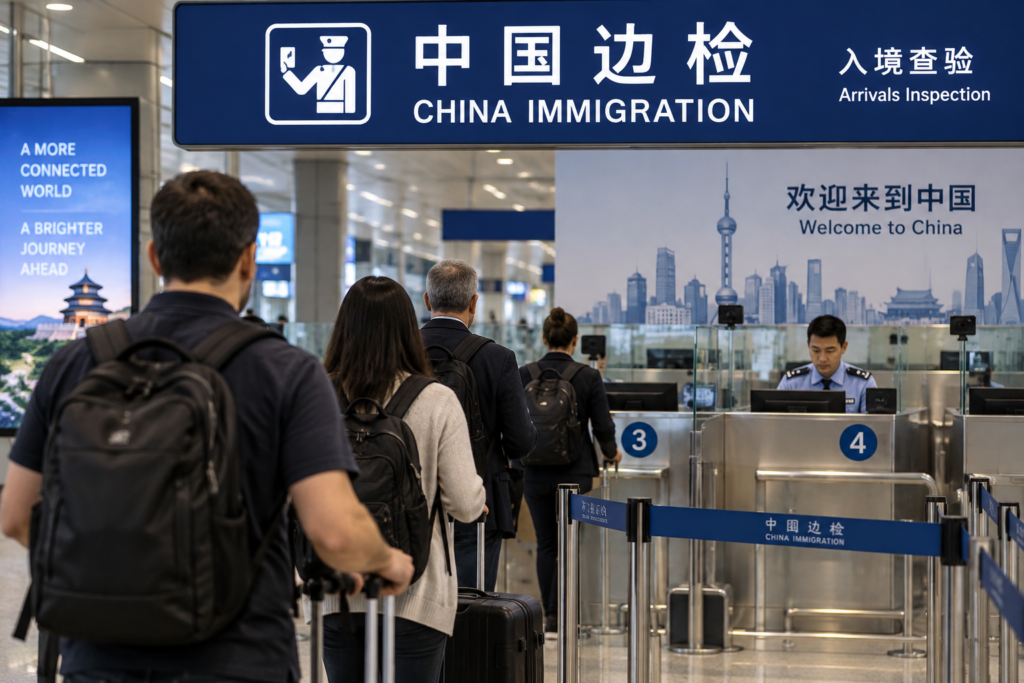
September 15, 2026
Travelers heading to China face a more formal—and potentially less forgiving—immigration system beginning September 15, as new national regulations governing entry and exit, known as the China entry rules 2026, take effect.
China’s State Council issued the new Regulations on Exit and Entry Administration earlier this year. The government says the rules are intended to standardize immigration procedures, protect travelers’ legal rights and strengthen national security. For most tourists, the changes should not significantly alter an ordinary visit to China. But they do give immigration authorities clearer powers to verify travelers’ information and impose substantial penalties when that information is false.
False Information Can Bring a Five-Year Ban
The provision most likely to affect foreign visitors concerns visa applications and entry procedures.
Foreign nationals who submit false documents or make false statements when applying for a Chinese visa or seeking admission at a Chinese port of entry can now be prohibited from entering China for one to five years.
The rule goes beyond simply denying the current visa or refusing entry. A finding that a traveler deliberately provided false information could potentially affect that person’s ability to visit China for years.
Chinese immigration and visa authorities are also explicitly authorized to ask questions and require applicants to provide documents, electronic data or other information to verify their identity and reason for travel.
Organizations or individuals providing invitation letters for foreign visitors are similarly responsible for the accuracy of the information they provide.
For tourists, the practical lesson is straightforward: visa applications, accommodation details, invitations and the stated reason for visiting China should accurately reflect the actual trip.
Tourism Itself Is Not Being Restricted
Despite some alarming headlines surrounding the new regulations, China has not announced a general crackdown on foreign tourism.
Travel industry representatives interviewed after the regulations were announced said they expected little effect on conventional tourists. For travelers visiting China for sightseeing and complying with immigration rules, the basic requirements remain largely unchanged.
The distinction becomes more important when someone enters China as a tourist but conducts activities inconsistent with that status.
That could include unauthorized employment or other activities requiring a different visa or permit. Foreign visitors working remotely from China should be particularly careful about assuming that a tourist entry automatically permits employment-related activity.
National Security Plays a Larger Role
The regulations are receiving international attention partly because they also expand and formalize China’s ability to restrict Chinese citizens from leaving the country.
Chinese citizens involved in certain illegal activities abroad that authorities determine have harmed China’s national security or interests may face exit restrictions lasting from six months to three years. Authorities may also restrict the departure of people involved in violations of technology import, export or export-control rules that could threaten China’s industrial or technological security.
Those provisions are primarily directed at Chinese citizens rather than foreign tourists, particularly people working in sensitive technology and national-security-related fields.
Nevertheless, they illustrate the increased emphasis China is placing on national security in its management of international travel.
Americans Should Be Aware of Exit-Ban Risks
The new regulations arrive against an existing backdrop of concerns about China’s use of exit restrictions.
The U.S. State Department currently rates mainland China Level 2: Exercise Increased Caution, citing arbitrary enforcement of local laws, the use of exit bans without what it describes as a fair and transparent legal process, and the risk of unjust detention. The advisory was updated September 4.
An exit ban prevents someone already inside China from leaving the country. Although the newly announced provisions primarily address restrictions involving Chinese citizens, foreign nationals have previously been subjected to exit restrictions in connection with investigations and legal disputes.
That does not mean the typical American tourist should expect difficulty leaving China. Millions of international trips to China take place without such problems. But travelers involved in business disputes, investigations, sensitive industries or politically sensitive activities face a different risk profile than ordinary tourists.
What Travelers Should Do
For most visitors, the new regulations do not require abandoning plans to visit China. They do, however, make accuracy and compliance more important.
Travelers should make sure the purpose stated on their visa application matches what they actually intend to do, avoid inaccurate or incomplete statements during immigration processing, carry documentation supporting their travel plans when appropriate, and understand what activities their particular visa permits.
Americans should also review the latest U.S. State Department travel advisory before departure.
China remains open to international tourism. What changed on September 15 is not whether ordinary foreigners can visit, but the consequences travelers could face when Chinese authorities determine that immigration information is false or that activities inside the country do not match the declared purpose of the visit.
For the overwhelming majority of tourists, the formula remains simple: use the correct visa, tell the truth on the application and at the border, and follow Chinese law while in the country.
About The Author