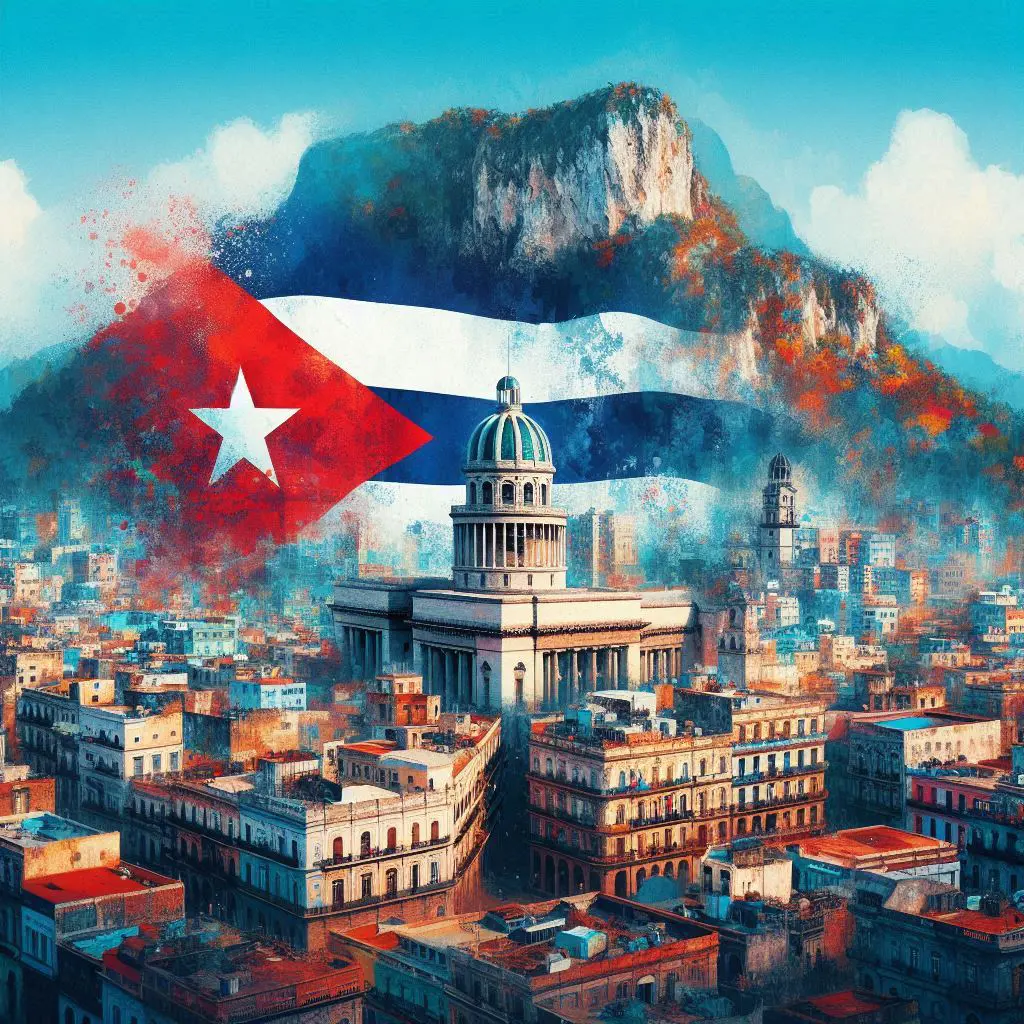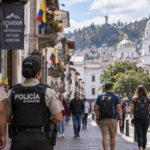

llustration: Cuba’s entry requirements and U.S. restrictions impose separate obligations on American visitors.
November 7, 2026 | Mundo Travel News
Cuba accepts American visitors, but U.S. law prohibits travel-related transactions for a vacation alone. Flying through another country can provide a route to the island; it does not make a tourism-only trip lawful.
For U.S. citizens interested in Havana’s streets, Cuban music, or a Caribbean beach holiday, the confusing question is often whether they can enter Cuba.
Cuba’s entry system and Washington’s travel restrictions answer different questions. Cuban authorities require appropriate entry documents. The U.S. government separately regulates Cuba-related transactions by Americans, including those living overseas. A Cuban tourist visa does not provide U.S. authorization. [1][2]
This guide examines the practical arrangements for a tourism-focused visit, rather than the authorized travel categories that require a qualifying purpose beyond a vacation.
Getting There Through Another Country
One practical itinerary is to fly to a regional hub, continue to Cuba, and return through that hub. Copa Airlines currently markets flights between Panama and Cuba, including Havana. Travelers should check the actual schedule, connection requirements, and entry or transit rules for their dates. [3]
Booking the journey as separate tickets adds practical complications. Allow time for delays, baggage collection, and another check-in, and establish who is responsible if the first flight arrives too late for the second.
However, the departure airport does not change the U.S. rules. Treasury’s Office of Foreign Assets Control explicitly says Americans traveling through a third country face the same restrictions and authorization requirements as those departing directly from the United States. Residence in Ecuador, Mexico, or elsewhere does not remove those obligations. [1][4]
Direct U.S. flights are not a tourism-only alternative. American Airlines says passengers must qualify under a permitted reason, hold appropriate OFAC authorization, or meet its stated Cuban-national exception. A ticket purchase does not prove a vacation is authorized. [5]
What Cuba Requires
Cuba’s official tourism portal lists a passport, tourist visa, medical travel insurance, round-trip ticket, health declaration, and the QR code generated by its digital arrival form among its entry requirements. It specifies at least six months of passport validity from arrival. [2]
The country’s electronic tourist visa system replaces the traditional tourist card. You can apply through the official eVisa portal, Cuban consulates, or travel agencies. Travelers should confirm the correct application and payment procedure for their location and departure country before buying. [2]
Complete the D’Viajeros arrival form within seven days before travel, and keep the QR code. Confirm that your medical insurance covers Cuba; coverage included with some U.S.-origin airline tickets should not be assumed to cover flights from another country. [1]. The Cuban government requires proof of insurance at entry.
Cuba’s tourism portal describes a standard tourist stay of up to 90 days, with a possible 90-day extension. That is Cuban immigration permission, separate from U.S. sanctions compliance. [2]
Money and Accommodation Need Advance Planning
U.S.-issued credit and debit cards do not work in Cuba, according to the State Department. Travelers need enough cash and should plan how they will pay for accommodation, transport, and unexpected expenses. Confirm payment arrangements directly before arrival. [1]
An online room listing, a confirmed reservation, or a booking platform’s acceptance of payment does not establish that the transaction is permitted under U.S. rules. Nor does buying a vacation package abroad resolve the underlying prohibition on tourism-related transactions. [6]
For an American planning a tourism-only trip, this is a fundamental limitation: arranging logistics cannot provide the missing authorization.
Prepare for Disruption
The State Department warns of unreliable electricity, prolonged outages, and shortages affecting daily life. Travelers should check current conditions, carry necessary medicines, keep backup power available, and verify accommodation arrangements before committing to a visit. [1]
For photographers and travelers who depend on mobile connectivity, power interruptions also mean allowing extra time to charge equipment and communicate with family.
U.S. Penalties for Unauthorized Travel
An American who makes Cuba-related travel transactions without applicable OFAC authorization can face civil enforcement. Willful violations can also lead to criminal prosecution.
- Civil fines: The current maximum under the Trading With the Enemy Act is $111,308 per violation, subject to inflation adjustments. This is a per-violation ceiling, not a fixed fine for an entire trip. Multiple violations can increase total exposure. [7]
- Criminal penalties: Under the same authority, a willful violation can, upon conviction, result in up to $1 million in fines, up to 20 years in prison, or both. These are maximum penalties, not an automatic sentence for taking a vacation. [7]
- Forfeiture: Property or funds involved in a violation may also be subject to forfeiture under the applicable provisions. [7]
- False statements: Knowingly and willfully making materially false statements to federal authorities can create separate criminal exposure, including fines and generally up to five years’ imprisonment under 18 U.S.C. 1001. [7]
OFAC’s enforcement guidelines allow responses ranging from a cautionary letter or finding of violation to a monetary penalty or criminal referral. The outcome depends on the circumstances, including willfulness, sanctions harm, cooperation, and voluntary disclosure; the published maximums do not establish a typical tourist penalty. [8]
What Travelers Should Understand
Americans can meet Cuba’s immigration requirements and find international transportation to the island. Those facts explain the physical possibility of a visit.
They do not create a lawful route for a trip whose sole purpose is tourism. OFAC expressly prohibits the associated travel transactions. Travelers can face U.S. penalties, and the official sources cited here provide no basis for promising that a trip will escape scrutiny. [1][6]
A responsible booking decision starts with that distinction: permission to enter Cuba and permission under U.S. law are separate requirements.
Sources
[1] U.S. Department of State, Cuba travel advisory and country guidance:
https://travel.state.gov/en/international-travel/travel-advisories/cuba.html
[2] Cuba Travel, official entry requirements and electronic visa information:
https://www.cuba.travel/en/useful-information/regulations-and-formalities
https://evisacuba.cu/
[3] Copa Airlines, Panama–Cuba flights:
https://www.copaair.com/en/flights-from-panama-to-cuba
[4] OFAC FAQ 721, travel through third countries:
https://ofac.treasury.gov/faqs/721
[5] American Airlines, Cuba travel policy:
https://www.aa.com/web/i18n/travel-info/international-travel/cuba.html
[6] OFAC FAQ 698, prohibition on tourist travel transactions:
https://ofac.treasury.gov/faqs/698
[7] 31 CFR 501.701, Trading With the Enemy Act penalties and false statements:
https://www.ecfr.gov/current/title-31/subtitle-B/chapter-V/part-501/subpart-D/section-501.701
[8] OFAC Economic Sanctions Enforcement Guidelines:
https://www.ecfr.gov/current/title-31/subtitle-B/chapter-V/part-501/appendix-Appendix%20A%20to%20Part%20501
About The Author