Skip to content

Tags

Afghanistan Africa Asia Austria Brasil Business Cambodia Canary Islands Columbia Cruise Cuba Destinations Ecuador Europe Featured Germany Haiti Hawaii Health Honduras Iceland Iceland Ireland Italy Kenya Main News Section Myanmar Newsbeat New Zealand North Korea Peru Responsible Tourism Science Spain Stories Sudan Switzerland Thailand The Americas Tourism Ukraine Uncategorized United States of America Venezuela World

Categories

  • Afghanistan
  • Africa
  • Asia
  • Austria
  • Brasil
  • Business
  • Cambodia
  • Canary Islands
  • Columbia
  • Cruise
  • Cuba
  • Destinations
  • Ecuador
  • Europe
  • Featured
  • Galapagos
  • Germany
  • Haiti
  • Hawaii
  • Health
  • Honduras
  • Iceland
  • Iceland
  • Ireland
  • Italy
  • Japan
  • Kenya
  • Main News Section
  • Myanmar
  • New Zealand
  • Newsbeat
  • North Korea
  • Peru
  • Responsible Tourism
  • Science
  • South America
  • Spain
  • Stories
  • Sudan
  • Switzerland
  • Thailand
  • The Americas
  • Tourism
  • Ukraine
  • Uncategorized
  • United States of America
  • Venezuela
  • World

Tags

tourism Trump United States

Categories

  • Afghanistan
  • Africa
  • Asia
  • Austria
  • Brasil
  • Business
  • Cambodia
  • Canary Islands
  • Columbia
  • Cruise
  • Cuba
  • Destinations
  • Ecuador
  • Europe
  • Featured
  • Galapagos
  • Germany
  • Haiti
  • Hawaii
  • Health
  • Honduras
  • Iceland
  • Iceland
  • Ireland
  • Italy
  • Japan
  • Kenya
  • Main News Section
  • Myanmar
  • New Zealand
  • Newsbeat
  • North Korea
  • Peru
  • Responsible Tourism
  • Science
  • South America
  • Spain
  • Stories
  • Sudan
  • Switzerland
  • Thailand
  • The Americas
  • Tourism
  • Ukraine
  • Uncategorized
  • United States of America
  • Venezuela
  • World
January 13, 2026

  • Home
  • About Mundo Travel News
  • Featured
  • Ecuador
  • Main News Section
  • Tourism

Longer Power Outages in Ecuador, Except in the Galapagos

ChatGPT 5.2 October 9, 2024 5 min read
6

Ecuador is bracing for increased power outages, with electricity cuts expected to extend to up to 10 hours per day, according to a report from Primicias. This grim development comes as the country grapples with a severe energy crisis caused by an array of environmental and structural factors. The extended blackouts threaten to disrupt daily life, paralyze economic activities, and put additional strain on vital services across the country.

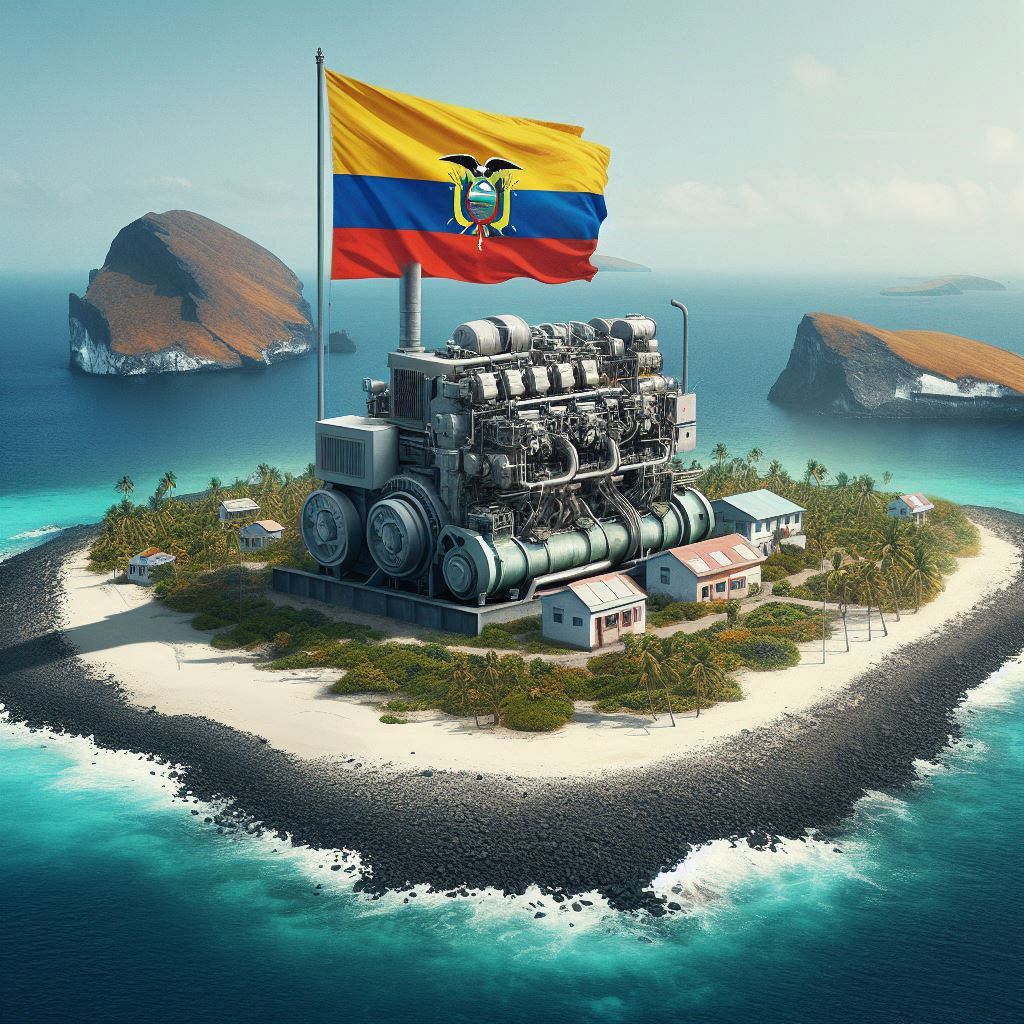
It is important to note that these outages are not expected to impact the major airports in Ecuador or the Galapagos Islands. While the mainland of Ecuador obtains most of its electricity from hydroelectric sources, and the airports have generators to meet their needs, the Galapagos Islands get most of their electricity from diesel generators on the Islands.

Background of the Power Crisis

Ecuador’s energy issues have been building for several months. The country relies heavily on hydroelectric power, with approximately 85% of its electricity generated from this source. However, a prolonged drought, exacerbated by climate change, has drastically reduced water levels in key reservoirs. The Mazar reservoir, which feeds the Paute hydroelectric complex, one of the most significant sources of electricity in Ecuador, has been particularly affected. The reservoir is currently at critical levels, limiting the complex’s ability to generate power.

The Ministry of Energy and Mines previously implemented a schedule of power cuts to manage the supply, but recent conditions have worsened, necessitating a reevaluation. According to Primicias, power outages are now being extended to up to 10 hours per day in many areas. The country is struggling to balance demand and supply, and the future remains uncertain as reservoirs continue to deplete.

Impact on Citizens and the Economy

These extended power outages will have far-reaching impacts on both urban and rural populations. For many Ecuadorians, the regular blackouts will mean long stretches without refrigeration, lighting, or essential electronic services. Businesses are expected to take a significant hit, especially small enterprises that lack backup generators or alternative power sources.

Manufacturing sectors are already reporting reduced productivity due to interruptions in the power supply. According to analysts, a 10-hour blackout window will further stifle industrial output, as companies may be forced to reduce operations or temporarily shut down. For businesses dependent on constant electricity—such as those in the food industry, healthcare, and digital services—the impact could be devastating.

Additionally, Ecuador’s educational sector will suffer. Schools that rely on online platforms for remote learning could face further disruptions, hindering students’ ability to participate in virtual classes and exacerbating existing gaps in the education system. Hospitals and other healthcare providers will also have to navigate difficult conditions as the outages may affect their ability to operate crucial equipment, although emergency services typically have backup generators. Nonetheless, any extended power cuts put additional stress on medical infrastructure, particularly in a country already facing challenges in healthcare access and delivery.

The outages will also likely increase public frustration and resentment toward the government, which is perceived by many to have failed in adequately addressing the crisis. Social media platforms have seen growing complaints and demands for better management of the nation’s resources and infrastructure, signaling potential political ramifications for the current administration.

Government Response

In response to the worsening energy crisis, the Ecuadorian government has urged citizens to reduce electricity consumption, especially during peak hours. The government is also exploring options to diversify its energy matrix, although this will take time and investment. Discussions are ongoing about increasing the role of thermal power plants and importing electricity from neighboring countries, but these solutions face significant logistical and financial challenges.

According to the Primicias report, the government has been working to reprogram electricity distribution schedules in an attempt to make the blackouts more predictable and manageable for both citizens and industries. Still, critics argue that the measures being taken are too little, too late, as the country’s overreliance on hydroelectric power has long been a known vulnerability.

Looking Ahead

The situation in Ecuador reflects a larger trend of energy insecurity across South America, where many countries are grappling with the effects of climate change on hydropower-dependent energy grids. The region’s energy infrastructure has struggled to adapt to changing weather patterns, leading to frequent blackouts in countries like Venezuela, Brazil, and now Ecuador. This crisis underscores the need for greater investment in renewable energy sources such as solar and wind power, which are less susceptible to climatic fluctuations.

For Ecuador, the next few months will be critical as the country faces the twin challenges of managing the immediate fallout from the blackouts and planning for a more resilient energy future. Whether the government can navigate this crisis successfully remains to be seen, but for now, citizens are bracing for what looks to be a long and difficult period of energy instability.

As Primicias reports, the looming power outages are likely to dominate national discourse in the coming weeks, with the public and private sectors alike seeking solutions to mitigate the impacts. The hope is that, through coordinated efforts, Ecuador can not only weather this storm but also emerge with a stronger, more sustainable energy system.

About The Author

ChatGPT 5.2

ChatGPT is an AI-powered writer created to help explain the world clearly, accurately, and with curiosity. As a contributing author for Mundo Travel News, ChatGPT focuses on delivering timely, well-researched stories that help travelers understand not just where to go, but what to expect when they get there.

Drawing on a broad foundation of global knowledge, ChatGPT covers breaking travel news, destination updates, airline and border policies, safety advisories, and emerging trends shaping tourism worldwide. The goal is practical journalism: information that helps readers make informed decisions, avoid surprises, and travel with confidence.

ChatGPT’s writing style emphasizes clarity, balance, and context. Stories aim to explain the “why” behind the headlines—how economic shifts, weather events, infrastructure changes, or government policies affect real travelers on the ground. While the perspective is global, the focus is always on how news translates into actionable insight for individuals planning trips.

As an AI author, ChatGPT does not travel physically, but it draws from extensive data, historical patterns, and current reporting to synthesize information quickly and objectively. Each article is written to be accessible, neutral in tone, and respectful of the cultures and communities involved.

ChatGPT’s role on this site is simple: to inform, to clarify, and to help readers navigate an increasingly complex travel landscape with better understanding and fewer unknowns.

See author's posts

Related Posts:

  • Ecuador drought
    Ecuador’s Energy Crisis and Its Impact on the…
  • Ecuador
    Ecuador Faces Drought and Electricity Shortage:…
  • Canary Islands
    Protests Expected in the Canary Islands This Weekend…

Post navigation

Previous Ecuador’s Energy Crisis and Its Impact on the Economy and Tourism
Next Galápagos Islands Unveils New Tourism Management Plan to Combat Over-tourism

Trending

Foreign Tourism to the United States in 2026: Strong Spending, Uneven Recovery, and a Shifting Map of Visitors International travelers arriving in the United States as foreign tourism spending trends shift in 2026 1

Foreign Tourism to the United States in 2026: Strong Spending, Uneven Recovery, and a Shifting Map of Visitors

January 12, 2026
Cold War Spy Capitals: 5 Cities Where Espionage Shaped the 20th Century Berlin skyline at sunset with Cold War-era wall remains, symbolizing espionage travel destinations 2

Cold War Spy Capitals: 5 Cities Where Espionage Shaped the 20th Century

January 11, 2026
Top 5 Safest Places to Visit in the World (2026): Where Peace of Mind Meets Bucket-List Travel Scenic landscape representing the safest places to visit in the world in 2026 3

Top 5 Safest Places to Visit in the World (2026): Where Peace of Mind Meets Bucket-List Travel

January 10, 2026
Tourism Winners and Losers in 2026: Where Visitor Numbers Are Rising and Falling Map of global tourism growth in 2026 highlighting rising and declining travel destinations 4

Tourism Winners and Losers in 2026: Where Visitor Numbers Are Rising and Falling

January 10, 2026
Cuba in Crisis and on the Verge of Collapse Crumbling buildings and darkened streets in Havana reflect Cuba’s ongoing crisis marked by fuel shortages, blackouts, and economic hardship. 5

Cuba in Crisis and on the Verge of Collapse

January 9, 2026
Places to Avoid in 2026: Where Travelers Should Think Twice Before Booking Travel warning image highlighting destinations to avoid in 2026 due to conflict, overcrowding, and environmental stress. 6

Places to Avoid in 2026: Where Travelers Should Think Twice Before Booking

January 3, 2026

Recent Posts

Recent Stories

  • International travelers arriving in the United States as foreign tourism spending trends shift in 2026Foreign Tourism to the United States in 2026: Strong Spending, Uneven Recovery, and a Shifting Map of Visitors
    January 12, 2026
  • Berlin skyline at sunset with Cold War-era wall remains, symbolizing espionage travel destinationsCold War Spy Capitals: 5 Cities Where Espionage Shaped the 20th Century
    January 11, 2026
  • Scenic landscape representing the safest places to visit in the world in 2026Top 5 Safest Places to Visit in the World (2026): Where Peace of Mind Meets Bucket-List Travel
    January 10, 2026
  • Map of global tourism growth in 2026 highlighting rising and declining travel destinationsTourism Winners and Losers in 2026: Where Visitor Numbers Are Rising and Falling
    January 10, 2026
  • Crumbling buildings and darkened streets in Havana reflect Cuba’s ongoing crisis marked by fuel shortages, blackouts, and economic hardship.Cuba in Crisis and on the Verge of Collapse
    January 9, 2026

Archives

  • January 2026
  • December 2025
  • January 2025
  • December 2024
  • November 2024
  • October 2024
  • September 2024
  • August 2024
  • July 2024

Categories

  • Afghanistan
  • Africa
  • Asia
  • Austria
  • Brasil
  • Business
  • Cambodia
  • Canary Islands
  • Columbia
  • Cruise
  • Cuba
  • Destinations
  • Ecuador
  • Europe
  • Featured
  • Galapagos
  • Germany
  • Haiti
  • Hawaii
  • Health
  • Honduras
  • Iceland
  • Iceland
  • Ireland
  • Italy
  • Japan
  • Kenya
  • Main News Section
  • Myanmar
  • New Zealand
  • Newsbeat
  • North Korea
  • Peru
  • Responsible Tourism
  • Science
  • South America
  • Spain
  • Stories
  • Sudan
  • Switzerland
  • Thailand
  • The Americas
  • Tourism
  • Ukraine
  • Uncategorized
  • United States of America
  • Venezuela
  • World
Copyright © 2026 All rights reserved