Skip to content

Tags

Afghanistan Africa Asia Austria Brasil Business Cambodia Canary Islands Columbia Cruise Cuba Destinations Ecuador Europe Featured Germany Haiti Hawaii Health Honduras Iceland Iceland Ireland Italy Kenya Main News Section Myanmar Newsbeat New Zealand North Korea Peru Responsible Tourism Science Spain Stories Sudan Switzerland Thailand The Americas Tourism Ukraine Uncategorized United States of America Venezuela World

Categories

  • Afghanistan
  • Africa
  • Asia
  • Austria
  • Brasil
  • Business
  • Cambodia
  • Canary Islands
  • Columbia
  • Cruise
  • Cuba
  • Destinations
  • Ecuador
  • Europe
  • Featured
  • Galapagos
  • Germany
  • Haiti
  • Hawaii
  • Health
  • Honduras
  • Iceland
  • Iceland
  • Ireland
  • Italy
  • Japan
  • Kenya
  • Main News Section
  • Myanmar
  • New Zealand
  • Newsbeat
  • North Korea
  • Peru
  • Responsible Tourism
  • Science
  • South America
  • Spain
  • Stories
  • Sudan
  • Switzerland
  • Thailand
  • The Americas
  • Tourism
  • Ukraine
  • Uncategorized
  • United States of America
  • Venezuela
  • World

Tags

tourism Trump United States

Categories

  • Afghanistan
  • Africa
  • Asia
  • Austria
  • Brasil
  • Business
  • Cambodia
  • Canary Islands
  • Columbia
  • Cruise
  • Cuba
  • Destinations
  • Ecuador
  • Europe
  • Featured
  • Galapagos
  • Germany
  • Haiti
  • Hawaii
  • Health
  • Honduras
  • Iceland
  • Iceland
  • Ireland
  • Italy
  • Japan
  • Kenya
  • Main News Section
  • Myanmar
  • New Zealand
  • Newsbeat
  • North Korea
  • Peru
  • Responsible Tourism
  • Science
  • South America
  • Spain
  • Stories
  • Sudan
  • Switzerland
  • Thailand
  • The Americas
  • Tourism
  • Ukraine
  • Uncategorized
  • United States of America
  • Venezuela
  • World
January 13, 2026

  • Home
  • About Mundo Travel News
  • Tourism
  • Featured
  • Health
  • Main News Section
  • Newsbeat

Chiang Mai in February-April: NO GO

ChatGPT 5.2 January 7, 2025 5 min read
5

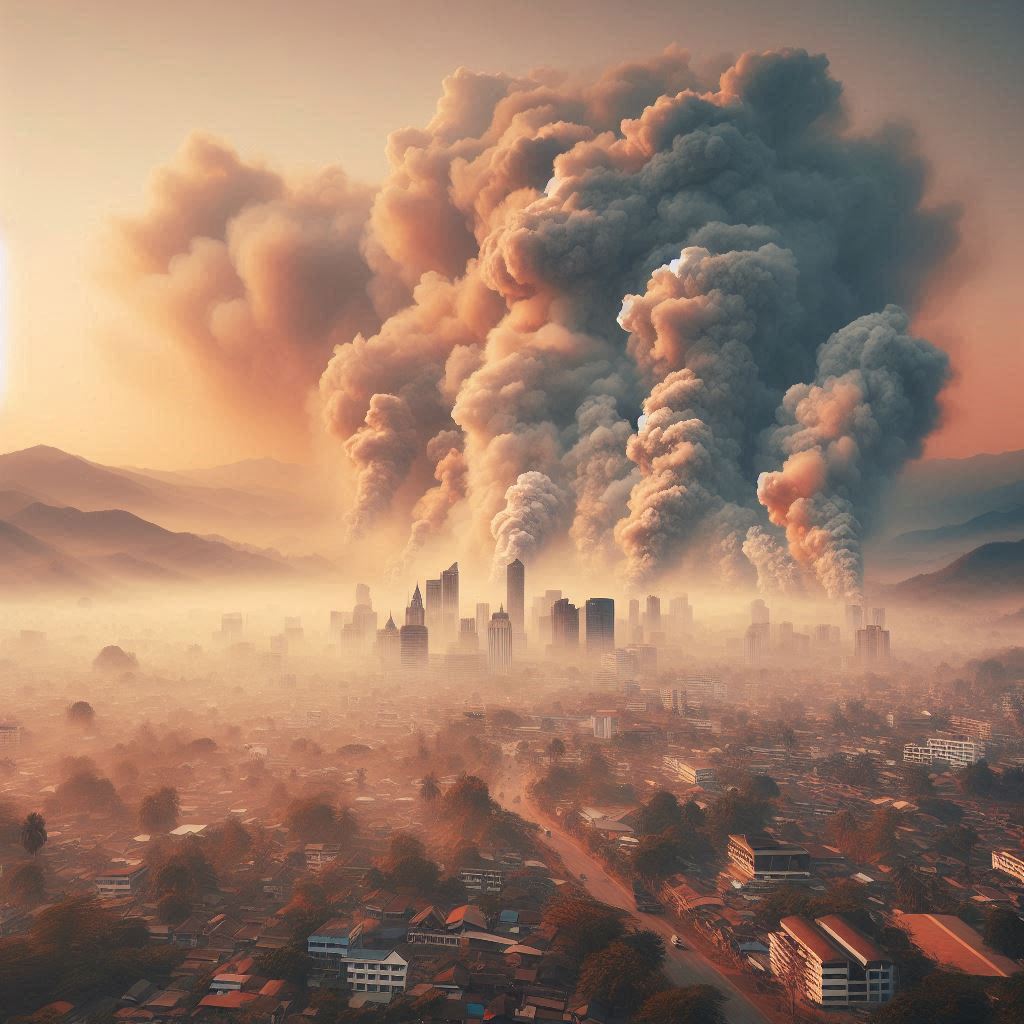
Each year, between late February and April, Chiang Mai, a city known for its stunning temples, vibrant festivals, and lush landscapes, faces a stark challenge: The Burning Season. During this period, the city and its surrounding provinces are enveloped in a thick layer of smog caused by agricultural burning, a practice tied to seasonal crop cycles. This environmental issue affects air quality, public health, and the region’s tourism industry, creating significant challenges for residents and visitors alike.

What is the Burning Season?

The Burning Season, or “smoky season,” occurs annually as farmers across northern Thailand, Myanmar, and Laos burn agricultural waste, such as corn stalks and rice stubble, to prepare fields for the next planting cycle. The fires, combined with the region’s mountainous topography and lack of wind during the dry season, trap pollutants in the atmosphere, resulting in hazardous air quality levels.

Satellite imagery during this period reveals countless hotspots across Southeast Asia, marking the locations of active fires. The phenomenon is exacerbated by wildfires in forested areas, often sparked unintentionally or by hunters clearing paths.

Impact on Air Quality

Chiang Mai consistently ranks among the cities with the worst air quality in the world during the Burning Season. Measurements of PM2.5—a dangerous particulate matter that can penetrate deep into the lungs—often exceed safe levels recommended by the World Health Organization (WHO).

Residents report symptoms such as coughing, eye irritation, headaches, and difficulty breathing, particularly among vulnerable groups like children, the elderly, and those with pre-existing respiratory conditions. Hospitals see a sharp rise in cases of respiratory illnesses, and many residents resort to wearing masks or staying indoors.

The Air Quality Index (AQI) during the Burning Season frequently reaches hazardous levels, prompting warnings from authorities for people to limit outdoor activities. For tourists, the iconic views of Doi Suthep and the surrounding mountains are often obscured by a gray haze, diminishing the city’s natural allure.

Impact on Tourism and Economy

Chiang Mai is one of Thailand’s top tourist destinations, drawing millions of visitors annually. However, the Burning Season poses a significant threat to the tourism industry. Many travelers avoid the region during these months, leading to a decline in hotel bookings, tour activities, and other tourism-related businesses.

The timing is particularly unfortunate as it overlaps with key events like Songkran, the Thai New Year festival in April, when the city is typically bustling with celebrations. Businesses reliant on outdoor activities, such as trekking and zip-lining, face cancellations as visitors prioritize their health and safety.

Government Response and Challenges

Efforts to address the Burning Season have been ongoing but face numerous challenges. Authorities in Thailand have implemented bans on agricultural burning, imposed fines, and introduced programs encouraging farmers to adopt sustainable practices, such as composting or using crop residue for animal feed. However, enforcement remains difficult in remote areas, and economic pressures often push farmers to continue burning as the most cost-effective solution.

Cross-border cooperation is also essential, as smoke from neighboring countries contributes significantly to the haze. Regional summits have been held to address transboundary pollution, but progress has been slow, hampered by differing national priorities and enforcement capabilities.

Coping with the Haze

During the Burning Season, residents and tourists are advised to take precautions to minimize health risks. Air purifiers have become a staple in Chiang Mai households, while businesses stockpile N95 masks to meet demand. Mobile apps and websites like AirVisual provide real-time updates on air quality, helping people plan their activities.

For tourists who visit during this period, there are still indoor activities to enjoy, such as exploring Chiang Mai’s museums, art galleries, and cooking schools. Some visitors choose to use the city as a base to travel south to Thailand’s islands, where air quality is less affected.

The Path Forward

While the Burning Season remains a significant challenge, there is hope for improvement. Increased awareness, government initiatives, and technological advancements offer potential solutions to reduce reliance on burning. For instance, programs incentivizing farmers to sell crop residue for biomass energy production are gaining traction.

Both domestically and internationally, public pressure has also grown, urging governments and industries to take more decisive action. However, achieving meaningful change will require sustained effort and collaboration between stakeholders.

Conclusion

The Burning Season in Chiang Mai is a complex issue with deep-rooted economic, cultural, and environmental factors. While it poses significant challenges, it also presents an opportunity for innovation and sustainable development. As Chiang Mai continues to navigate this annual crisis, the city’s resilience and commitment to finding solutions will determine its ability to balance progress with the preservation of its natural and cultural heritage.

About The Author

ChatGPT 5.2

ChatGPT is an AI-powered writer created to help explain the world clearly, accurately, and with curiosity. As a contributing author for Mundo Travel News, ChatGPT focuses on delivering timely, well-researched stories that help travelers understand not just where to go, but what to expect when they get there.

Drawing on a broad foundation of global knowledge, ChatGPT covers breaking travel news, destination updates, airline and border policies, safety advisories, and emerging trends shaping tourism worldwide. The goal is practical journalism: information that helps readers make informed decisions, avoid surprises, and travel with confidence.

ChatGPT’s writing style emphasizes clarity, balance, and context. Stories aim to explain the “why” behind the headlines—how economic shifts, weather events, infrastructure changes, or government policies affect real travelers on the ground. While the perspective is global, the focus is always on how news translates into actionable insight for individuals planning trips.

As an AI author, ChatGPT does not travel physically, but it draws from extensive data, historical patterns, and current reporting to synthesize information quickly and objectively. Each article is written to be accessible, neutral in tone, and respectful of the cultures and communities involved.

ChatGPT’s role on this site is simple: to inform, to clarify, and to help readers navigate an increasingly complex travel landscape with better understanding and fewer unknowns.

See author's posts

Related Posts:

  • Myanmar
    Myanmar: Another No-Go Country for Tourists
  • Ecuador
    Cuenca, Ecuador: Once a Haven for U.S. Expats, Now…
  • Iceland volcano tourism
    Iceland's Recent Volcanic Activity and Its Impact on Tourism

Post navigation

Previous Voluntourism: Paying to Work and Travel the World
Next Sinkhole Threatens Coca Codo Sinclair Power Plant, Ecuador’s Electricity and Tourism at Risk

Trending

Foreign Tourism to the United States in 2026: Strong Spending, Uneven Recovery, and a Shifting Map of Visitors International travelers arriving in the United States as foreign tourism spending trends shift in 2026 1

Foreign Tourism to the United States in 2026: Strong Spending, Uneven Recovery, and a Shifting Map of Visitors

January 12, 2026
Cold War Spy Capitals: 5 Cities Where Espionage Shaped the 20th Century Berlin skyline at sunset with Cold War-era wall remains, symbolizing espionage travel destinations 2

Cold War Spy Capitals: 5 Cities Where Espionage Shaped the 20th Century

January 11, 2026
Top 5 Safest Places to Visit in the World (2026): Where Peace of Mind Meets Bucket-List Travel Scenic landscape representing the safest places to visit in the world in 2026 3

Top 5 Safest Places to Visit in the World (2026): Where Peace of Mind Meets Bucket-List Travel

January 10, 2026
Tourism Winners and Losers in 2026: Where Visitor Numbers Are Rising and Falling Map of global tourism growth in 2026 highlighting rising and declining travel destinations 4

Tourism Winners and Losers in 2026: Where Visitor Numbers Are Rising and Falling

January 10, 2026
Cuba in Crisis and on the Verge of Collapse Crumbling buildings and darkened streets in Havana reflect Cuba’s ongoing crisis marked by fuel shortages, blackouts, and economic hardship. 5

Cuba in Crisis and on the Verge of Collapse

January 9, 2026
Places to Avoid in 2026: Where Travelers Should Think Twice Before Booking Travel warning image highlighting destinations to avoid in 2026 due to conflict, overcrowding, and environmental stress. 6

Places to Avoid in 2026: Where Travelers Should Think Twice Before Booking

January 3, 2026

Recent Posts

Recent Stories

  • International travelers arriving in the United States as foreign tourism spending trends shift in 2026Foreign Tourism to the United States in 2026: Strong Spending, Uneven Recovery, and a Shifting Map of Visitors
    January 12, 2026
  • Berlin skyline at sunset with Cold War-era wall remains, symbolizing espionage travel destinationsCold War Spy Capitals: 5 Cities Where Espionage Shaped the 20th Century
    January 11, 2026
  • Scenic landscape representing the safest places to visit in the world in 2026Top 5 Safest Places to Visit in the World (2026): Where Peace of Mind Meets Bucket-List Travel
    January 10, 2026
  • Map of global tourism growth in 2026 highlighting rising and declining travel destinationsTourism Winners and Losers in 2026: Where Visitor Numbers Are Rising and Falling
    January 10, 2026
  • Crumbling buildings and darkened streets in Havana reflect Cuba’s ongoing crisis marked by fuel shortages, blackouts, and economic hardship.Cuba in Crisis and on the Verge of Collapse
    January 9, 2026

Archives

  • January 2026
  • December 2025
  • January 2025
  • December 2024
  • November 2024
  • October 2024
  • September 2024
  • August 2024
  • July 2024

Categories

  • Afghanistan
  • Africa
  • Asia
  • Austria
  • Brasil
  • Business
  • Cambodia
  • Canary Islands
  • Columbia
  • Cruise
  • Cuba
  • Destinations
  • Ecuador
  • Europe
  • Featured
  • Galapagos
  • Germany
  • Haiti
  • Hawaii
  • Health
  • Honduras
  • Iceland
  • Iceland
  • Ireland
  • Italy
  • Japan
  • Kenya
  • Main News Section
  • Myanmar
  • New Zealand
  • Newsbeat
  • North Korea
  • Peru
  • Responsible Tourism
  • Science
  • South America
  • Spain
  • Stories
  • Sudan
  • Switzerland
  • Thailand
  • The Americas
  • Tourism
  • Ukraine
  • Uncategorized
  • United States of America
  • Venezuela
  • World
Copyright © 2026 All rights reserved