 Primary Admin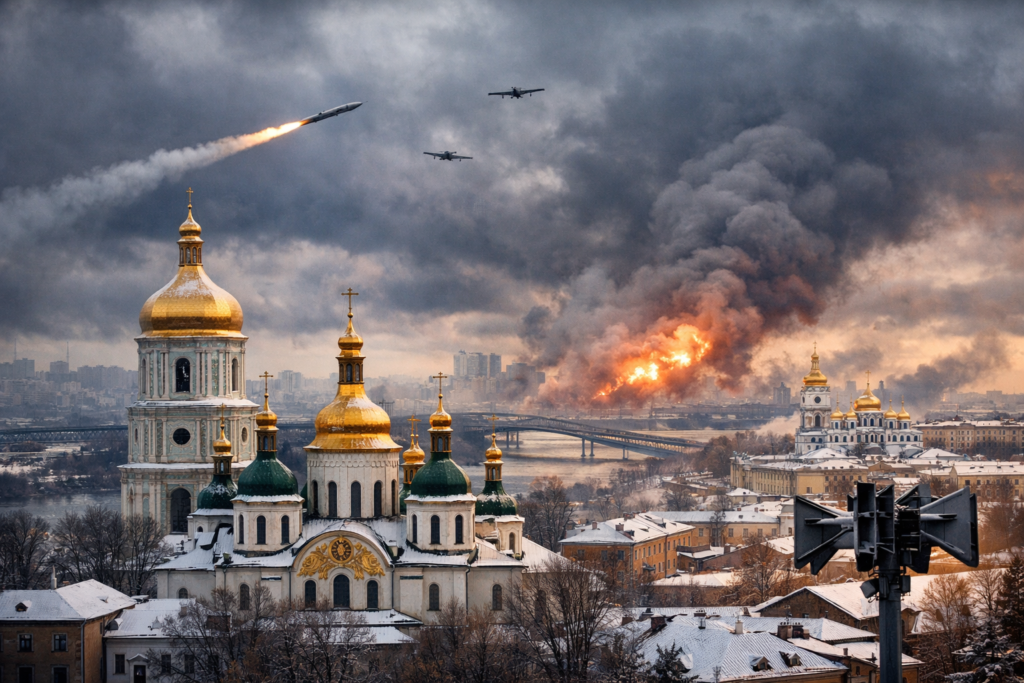
WARNING: Ukraine is an active war zone — visiting could get you killed.
Let’s be absolutely clear at the start: tourism in Ukraine in 2026 is not normal travel. It is not an “adventure destination,” and it is not comparable to visiting a country with a typical crime-and-safety risk profile. Russia continues to launch missiles and drones at Ukrainian cities — including Kyiv — and attacks can happen with little or no warning, striking civilian infrastructure like apartment buildings, roads, and power systems. Just this week, Ukraine experienced large-scale attacks affecting multiple regions and causing power outages, including in Kyiv.
Many governments continue to issue their highest-level warnings (“Do Not Travel”) for Ukraine. The U.S. Embassy in Kyiv even issued a January 8, 2026, security alert warning of a potentially significant air attack.
That said, a small number of foreign visitors still enter Ukraine for humanitarian work, journalism, volunteering, family reasons, or tightly controlled group visits. If you’re considering going, this guide is written to help you understand how people are traveling to Kyiv, what precautions are essential, and which areas must be avoided.
1) Getting to Ukraine: How travelers reach Kyiv (no commercial flights)
No normal flights to Kyiv
Ukraine’s airspace remains effectively closed to commercial passenger flights due to the war, so visitors typically arrive overland from neighboring countries.
Common entry routes (practical options)
Option A: Poland → Ukraine (most popular)
- Fly into Warsaw or Kraków
- Continue by train or bus to the border region (often Przemyśl)
- Transfer to Ukrainian rail or buses onward to Lviv and Kyiv
This route is widely used because Poland has frequent air connections from North America and the EU, and border transfers are well-established.
Option B: Romania / Moldova → Ukraine
Some travelers fly to Bucharest or Chișinău, then cross into Ukraine using train/bus connections that route toward Kyiv.
Option C: Slovakia / Hungary → Ukraine
Less common, but possible, especially if connecting through Vienna/Budapest rail corridors.
International trains to Kyiv
Ukraine’s rail system remains the backbone of long-distance transport. Ukrainian Railways (Ukrzaliznytsia) continues to operate international connections, and sources list services like the Kyiv–Warsaw train (67/68) with updated schedules under the 2025–2026 timetable.
Reality check: train schedules can change suddenly due to infrastructure damage or security conditions. Tickets may sell out quickly.
2) Where you can go — and where you absolutely must NOT go
Generally, “less dangerous” areas (still risky)
- Kyiv city center (with strict air-raid compliance)
- Lviv and parts of western Ukraine
- Certain central areas far from front lines
Even here, you are not safe. Missiles and drones can strike anywhere.
Areas tourists should avoid entirely
Avoid any travel to:
- Eastern front-line regions (Donetsk, Luhansk areas)
- Southern combat/coastal risk zones (areas affected by Black Sea military activity)
- Crimea (occupied; severe legal and security risks)
- Border-adjacent regions where strikes are frequent and military movement is heavy
- Any region under active emergency or severe infrastructure stress
If you can’t clearly explain why you’re going somewhere beyond Kyiv/Lviv and how you’ll shelter there, don’t go.
3) Kyiv-specific safety rules tourists must follow
Air raid alarms: your #1 survival routine
If you visit Kyiv, you must treat air alerts like a fire alarm in a burning building.
Key steps:
- Download air-alert apps and keep notifications ON. The U.S. travel guidance recommends air-alert applications such as “Air Raid Siren” and “Alarm Map.”
- Know your nearest shelter everywhere you sleep, eat, and photograph.
- Go immediately when alarms sound.
A critical Kyiv-specific fact: Kyiv’s metro stations are widely used as shelters, and entry is free during air raids (with specific procedures during curfew hours).
The “two walls rule”
If you cannot reach a shelter in time, Ukraine safety guidance commonly advises moving to an interior area away from windows, using the “two walls” principle (two walls between you and outside).
Curfews and checkpoints
Curfews are common in Ukraine during wartime and can be adjusted. If you are outdoors during curfew, you may be stopped, questioned, detained, or fined. Carry your documents and be polite at checkpoints.
4) What to pack for war-zone travel (seriously)
This isn’t a normal city break. If you’re going, bring:
- Power bank + charging cables
- Flashlight/headlamp
- Offline maps and compass (Google offline + Maps.me style apps)
- Warm layers (winter outages can be brutal)
- Basic trauma kit (not just Band-Aids—tourniquet and pressure bandage ideally)
- Copies of passport/ID in paper + cloud + email
- A small “go bag” you can grab instantly at night
5) Money, communications, and daily operations
Expect outages
Recent strikes have knocked out power and heating, including in Kyiv.
Plan for:
- ATMs being down
- Card terminals failing
- Intermittent internet
Carry:
- Cash in small bills
- A backup method of payment
- A secondary SIM/eSIM if possible
6) Photography and behavior: don’t become the problem
Ukraine is sensitive to:
- Military locations
- Air defense systems
- Checkpoints
- Damage sites during or after strikes
Tourists should never photograph:
- Troop movements
- Military vehicles
- Air defense positions
- Sensitive infrastructure
You can be detained for “innocent” images. When in doubt, don’t shoot.
Final decision: Should you go?
If your trip is motivated by curiosity, bucket-list travel, or content creation: do not go. Kyiv is inspiring and culturally rich, but it remains within reach of Russian missiles and drones, and conditions can deteriorate instantly. Governments continue to urge travelers to avoid Ukraine entirely, and U.S. Embassy alerts warn of possible major attacks.
If you must go (family, volunteering, professional obligations), travel like a professional:
- Enter overland via Poland/Romania routes
- Treat air-raid compliance as mandatory
- Stay close to shelters
- Avoid front-line regions completely
- Keep exit plans ready at all times
In Ukraine in 2026, your best travel skill is knowing when not to travel.
Being prepared is the best way to reduce risk and increase your safety. Here is a downloadable Kyiv wartime packing checklist you can use to prepare for a trip to Kyiv
About The Author