Places to Avoid in 2026: Where Travelers Should Think Twice Before Booking
 Editor in Chief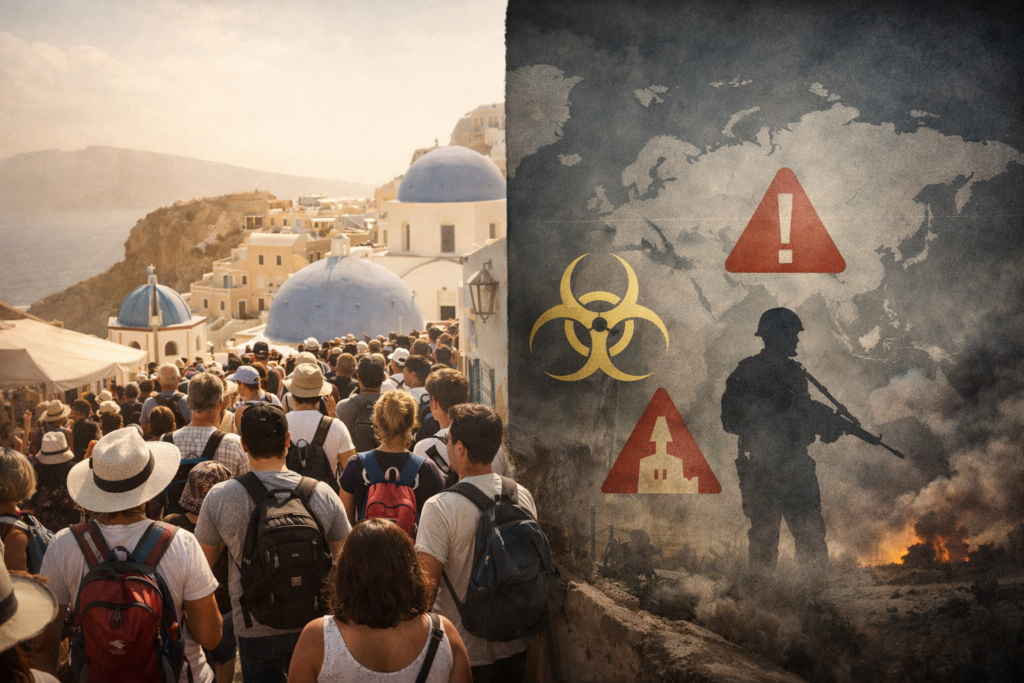
As international travel demand continues to surge heading into 2026, not every destination is equally prepared—or safe—for visitors. Political instability, armed conflict, infrastructure strain, environmental collapse, and overtourism are reshaping global travel in ways that require travelers to be more selective than ever.
This is not a list of countries travelers should permanently write off. Situations change. However, based on current conditions and trends extending into 2026, these destinations present elevated risks, disruptions, or diminished travel experiences that travelers should carefully reconsider.
Border Regions of Thailand and Cambodia
Ongoing tensions along the border between Thailand and Cambodia remain a serious concern heading into 2026. Periodic armed clashes, military posturing, and evacuations near disputed areas have led to increased security restrictions and unpredictable border closures.
While major tourist destinations such as Bangkok, Chiang Mai, Phnom Penh, and Siem Reap remain largely unaffected, travelers attempting overland crossings near contested zones face sudden disruptions. Travel advisories continue to recommend avoiding non-essential travel close to the border.
Why to avoid:
Unpredictable security conditions, border closures, and limited emergency access.
Safer alternative:
Fly between major cities rather than traveling by land until tensions fully subside.
Haiti
Haiti remains one of the most challenging destinations in the Western Hemisphere for travelers in 2026. Widespread gang violence, political instability, and near-collapse of public services have made even short visits highly risky.
Air travel is unreliable, road conditions are dangerous, and access to medical care is extremely limited. Many governments continue to advise against all travel to the country, including for humanitarian and aid-related missions unless strictly necessary.
Why to avoid:
Severe security risks, unreliable transportation, and lack of emergency services.
Safer alternative:
Other Caribbean nations with stable tourism infrastructure such as the Dominican Republic or Jamaica.
Ukraine
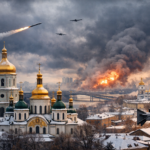
Ukraine remains an active conflict zone, and despite international aid and reconstruction planning, large portions of the country are unsafe for travelers in 2026.
Airspace restrictions, infrastructure damage, and ongoing military operations make tourism impractical and dangerous. While cultural heritage preservation efforts continue, leisure travel is strongly discouraged.
Why to avoid:
Active armed conflict, travel bans, and safety risks.
Safer alternative:
Neighboring Central European countries offering similar cultural depth, such as Poland or Slovakia.
Gaza and Parts of Israel
Gaza Strip and surrounding areas remain volatile due to ongoing conflict and humanitarian crises. While parts of Israel continue to function normally for tourism, sudden escalations can lead to airspace disruptions, missile alerts, and border closures with little warning.
Travel insurance exclusions and frequent itinerary changes have made travel to the region increasingly complex.
Why to avoid:
High geopolitical risk, sudden security escalations, and limited consular assistance.
Safer alternative:
Mediterranean destinations with similar cultural experiences, such as Greece or southern Italy.
Sudan
Sudan continues to experience widespread violence, displacement, and humanitarian collapse. Airports and border crossings operate intermittently, and access to food, fuel, and medical care is severely restricted.
Tourism infrastructure is effectively nonexistent, and international evacuation options are extremely limited.
Why to avoid:
Civil war conditions and lack of traveler support infrastructure.
Safer alternative:
North African destinations with stable tourism sectors, such as Morocco or Tunisia.
Venice, Italy (Peak Season)
Venice remains one of the world’s most iconic destinations—but in 2026, it also exemplifies the limits of overtourism. Despite new visitor fees, access restrictions, and crowd-control measures, peak-season travel often results in packed streets, overwhelmed public transport, and diminished visitor experience.
Extreme weather events, including flooding and heat waves, are also becoming more frequent.
Why to avoid:
Severe overcrowding, environmental stress, and rising costs.
Safer alternative:
Less-visited Italian cities such as Padua, Verona, or Trieste.
Santorini, Greece (High Summer)
Santorini continues to struggle with cruise ship congestion and limited infrastructure during peak months. In summer 2026, visitors can expect extreme heat, water shortages, long queues, and inflated prices.
While undeniably beautiful, the experience often falls short of expectations during high season.
Why to avoid:
Overcrowding, heat stress, and strained local resources.
Safer alternative:
Other Greek islands such as Naxos, Paros, or Milos.
Parts of Southern Spain Facing Severe Drought
Spain is increasingly affected by water shortages, particularly in southern regions. In 2026, some destinations may impose restrictions on hotel water usage, pool access, and landscaping.
While Spain remains broadly safe and welcoming, travelers should be mindful of environmental stress in drought-prone regions.
Why to avoid:
Water restrictions, extreme heat, and sustainability concerns.
Safer alternative:
Northern Spain, including Asturias and Galicia, which remain cooler and greener.
Russia
Russia remains largely inaccessible to Western travelers due to sanctions, limited flight routes, banking restrictions, and strained diplomatic relations. Visa processing is difficult, and consular assistance is limited for many nationalities.
Why to avoid:
Restricted access, limited payment systems, and diplomatic risks.
Safer alternative:
Eastern European or Central Asian destinations with fewer restrictions.
Final Thoughts: Avoid Doesn’t Mean Forever
Travel in 2026 requires more awareness than ever before. Many destinations on this list may eventually rebound, stabilize, or adapt. However, for now, travelers should prioritize safety, sustainability, and overall travel quality—not just price or popularity.
Being selective doesn’t mean traveling less. It means traveling smarter.
About The Author