Travel News Today: Global Disruptions, New Entry Rules, and What Travelers Should Expect Next
 Editor in Chief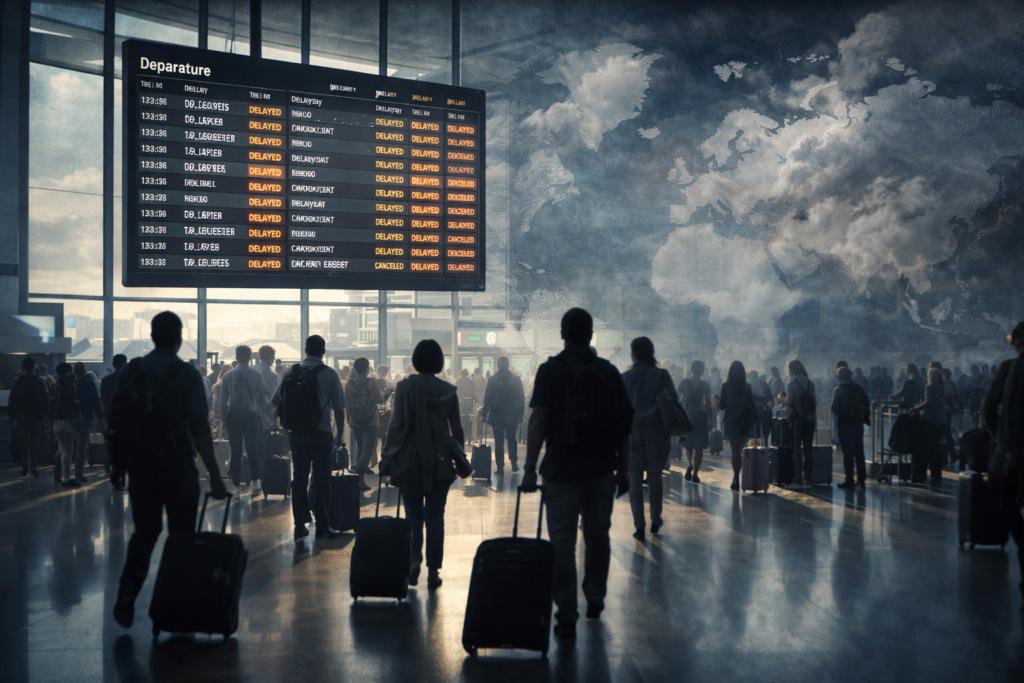
As international travel continues to rebound strongly heading into 2026, today’s top travel news reflects a familiar theme: high demand colliding with infrastructure stress, geopolitical uncertainty, weather disruptions, and new government entry requirements. From Europe’s congested borders to safety concerns in Southeast Asia and sweeping changes to how travelers enter the UK and European Union, here is what travelers need to know right now.
Europe: Border Delays and Strike Season Complicate Winter Travel
Travelers moving through Europe are once again facing delays as border systems, labor disputes, and seasonal congestion overlap during one of the busiest travel periods of the year.
Recent technical failures at French border control systems caused significant delays for travelers crossing the English Channel, particularly at the Port of Dover and Eurotunnel terminals. While systems have been restored, authorities warn that residual delays may continue during peak travel days. Travelers have been advised to arrive with sufficient—but not excessive—buffer time to avoid worsening congestion.
At the same time, Europe is entering its traditional winter strike season. Airport ground staff, air traffic controllers, and rail workers in several countries have announced or threatened walkouts that will stretch into early January. While not every strike results in full shutdowns, even limited industrial action can ripple across airline schedules and rail connections throughout the continent.
What travelers should do:
Passengers traveling within or through Europe should avoid tight connections, check airline and airport alerts frequently, and consider flexible or refundable tickets when possible. Travel insurance that covers strike-related disruptions is also strongly recommended.
Southeast Asia: Thailand–Cambodia Border Tensions Raise Safety Concerns
In Southeast Asia, renewed tensions along the Thailand–Cambodia border have prompted travel advisories and raised concerns for travelers planning overland routes in the region.
Recent armed clashes and evacuations near the disputed border area have led authorities to restrict access to certain crossings and increase security presence. Diplomatic talks aimed at restoring a ceasefire are ongoing, but conditions remain fluid.
Several embassies, including the U.S. Embassy in Thailand, have issued alerts advising travelers to avoid non-essential travel near the affected border zones and to closely follow local government guidance. While major tourist centers such as Bangkok, Chiang Mai, Phnom Penh, and Siem Reap remain unaffected, travelers planning border crossings should be aware that conditions can change rapidly.
What travelers should do:
If your itinerary includes overland travel between Thailand and Cambodia, confirm border crossing status immediately before departure. Travelers may want to consider flying between countries instead of crossing by land until the situation stabilizes.
United States: Holiday Travel Surges Amid Severe Weather Risks
In the United States, air travel volumes are reaching record highs as airlines and airports manage one of the busiest travel periods since before the pandemic.
The Transportation Security Administration (TSA) is forecasting tens of millions of passenger screenings during the current holiday window. Peak travel days are expected to strain airport staffing and security checkpoints nationwide.
Compounding the challenge, severe winter weather is impacting major regions of the country. A powerful Pacific storm system is bringing heavy rain, mountain snow, and high winds to California, creating hazardous road conditions and increasing the risk of flight delays at major airports such as San Francisco International, Los Angeles International, and San Diego International.
Airlines have issued travel waivers for affected routes, allowing passengers to rebook flights without change fees. However, travelers who do not proactively rebook may still face long delays or cancellations.
What travelers should do:
Choose early-morning flights when possible, pack essential items in carry-on luggage, monitor airline alerts closely, and take advantage of weather waivers before arriving at the airport.
Major Changes Ahead: UK ETA and EU Entry Systems for 2026
One of the most important travel developments affecting 2026 travel plans involves new entry requirements for the United Kingdom and the European Union.
UK Electronic Travel Authorisation (ETA)
Starting February 25, 2026, visa-free travelers—including U.S., Canadian, and Australian passport holders—will be required to obtain a UK Electronic Travel Authorisation (ETA) before boarding flights or entering the country. The ETA is linked electronically to a traveler’s passport and must be approved before travel.
EU Entry/Exit System (EES) and ETIAS
The European Union has already begun rolling out its Entry/Exit System (EES), which replaces passport stamping with biometric registration for non-EU travelers entering the Schengen Area. This system records fingerprints, facial images, and entry/exit data, potentially increasing processing time during the initial implementation phase.
Looking further ahead, the European Travel Information and Authorisation System (ETIAS) is scheduled to become operational in late 2026. Once implemented, visa-free travelers will need to apply online for travel authorization before entering most EU countries.
What travelers should do:
Travelers planning trips to Europe or the UK in 2026 should verify entry requirements early, ensure passports meet validity rules, and factor in additional processing time at borders.
Cruise Industry: Itinerary Changes Continue Into 2026
The cruise industry continues to adjust itineraries in response to geopolitical considerations, port congestion, and operational planning.
Several cruise lines have announced route changes for early 2026 sailings, including the removal or substitution of certain ports in Asia. These changes may affect shore excursions, visa requirements, and flight arrangements for passengers embarking or disembarking at different ports.
While cruise lines typically offer compensation or alternative ports, travelers should not assume that original itineraries will remain unchanged.
What travelers should do:
Cruise passengers should review itinerary updates regularly, confirm visa requirements for revised ports, and avoid booking non-refundable shore excursions independently unless cancellation terms are flexible.
What Travelers Should Do Now
With global travel demand remaining high and conditions evolving quickly, travelers can reduce stress and risk by taking a proactive approach:
- Monitor official government and airline alerts regularly
- Avoid tight connections and same-day international transfers
- Purchase comprehensive travel insurance
- Confirm entry requirements well before departure
- Allow extra time at borders and airports
About The Author