Brazil Travel News: What Travelers Need to Know Before Visiting in 2026
 Editor in Chief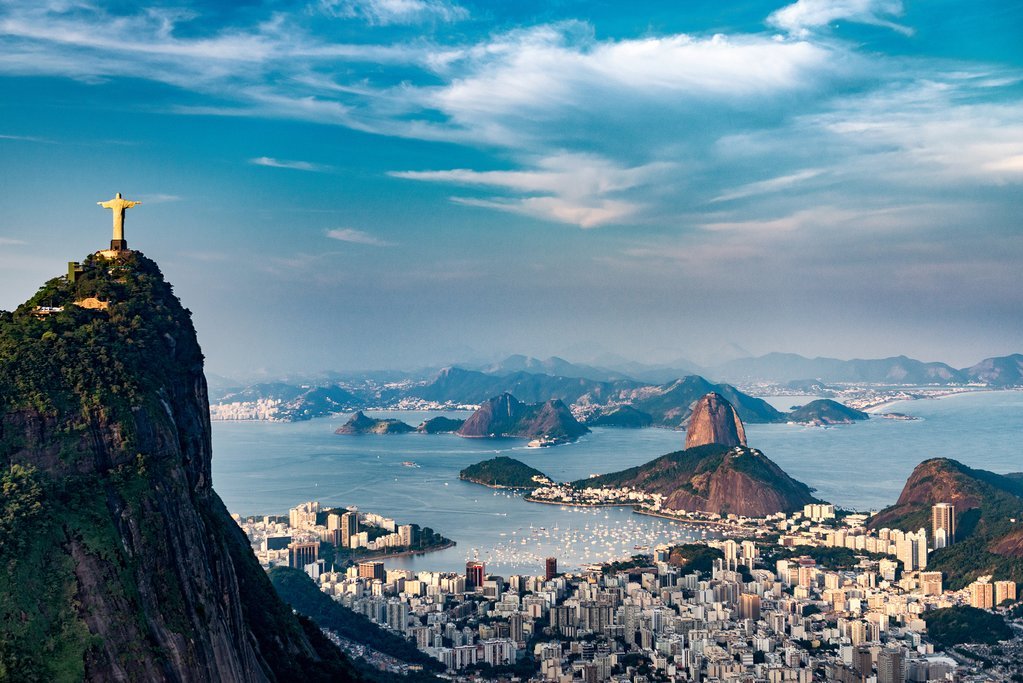
Aerial view of Rio De Janeiro. Corcovado mountain with statue of Christ the Redeemer urban areas of Botafogo and Centro Sugarloaf mountain.
Travel to Brazil continues to rebound strongly, but 2026 is bringing a mix of new opportunities and new considerations for international visitors. Changes to visa requirements, expanded airline routes, infrastructure upgrades, and climate-related disruptions are all shaping how travelers plan trips to South America’s largest country.
Here’s a look at the most important Brazil travel news currently impacting tourists, long-stay visitors, and business travelers.
Visa requirements: check before you book
Brazil has adjusted its entry rules as part of a broader reciprocity-based immigration policy. While travelers from many countries can still enter Brazil visa-free for tourism stays of up to 90 days, some nationalities must now apply for an electronic visa (eVisa) before arrival.
The eVisa process is completed online and is generally straightforward, but processing times can vary. Travelers planning short-notice trips or connecting through Brazil should verify requirements early to avoid denied boarding or entry delays.
For travelers considering longer stays—such as retirees, digital nomads, and photographers—Brazil continues to offer temporary residency options. However, authorities are applying stricter standards for proof of income, health insurance coverage, and background documentation.
Traveler takeaway: Confirm visa requirements well in advance, especially if you are planning an extended stay or multiple entries.
Airline routes and flight prices: more seats, better competition
Air travel to Brazil has improved noticeably over the past year. New international routes and expanded frequencies are increasing seat capacity into major hubs such as São Paulo and Rio de Janeiro, while domestic connectivity continues to improve across the country.
For travelers, this means:
- Increased competition on long-haul routes from North America and Europe
- Greater availability of nonstop and one-stop options
- More affordable domestic flights to secondary destinations
Low-cost and hybrid airlines are also expanding within Brazil, making it easier to combine cities, beaches, and wildlife regions in a single itinerary. Travelers heading to destinations such as the Northeast coast, the Pantanal wetlands, or southern Brazil are seeing the biggest gains in accessibility.
Airport and tourism infrastructure upgrades
Brazil has invested heavily in airport modernization and tourism infrastructure ahead of peak travel seasons and major events. Upgrades at international airports are improving passenger flow, customs processing, and baggage handling, helping to reduce congestion during busy periods.
Hotel renovations, transportation projects, and urban improvements are also underway in several high-traffic destinations. While construction may cause localized disruptions, the long-term impact is improved visitor services and more reliable transit options.
Travel tip: During major festivals and school holiday periods, book flights and accommodations early, as capacity tightens quickly despite infrastructure improvements.
Climate and weather disruptions affecting travel plans
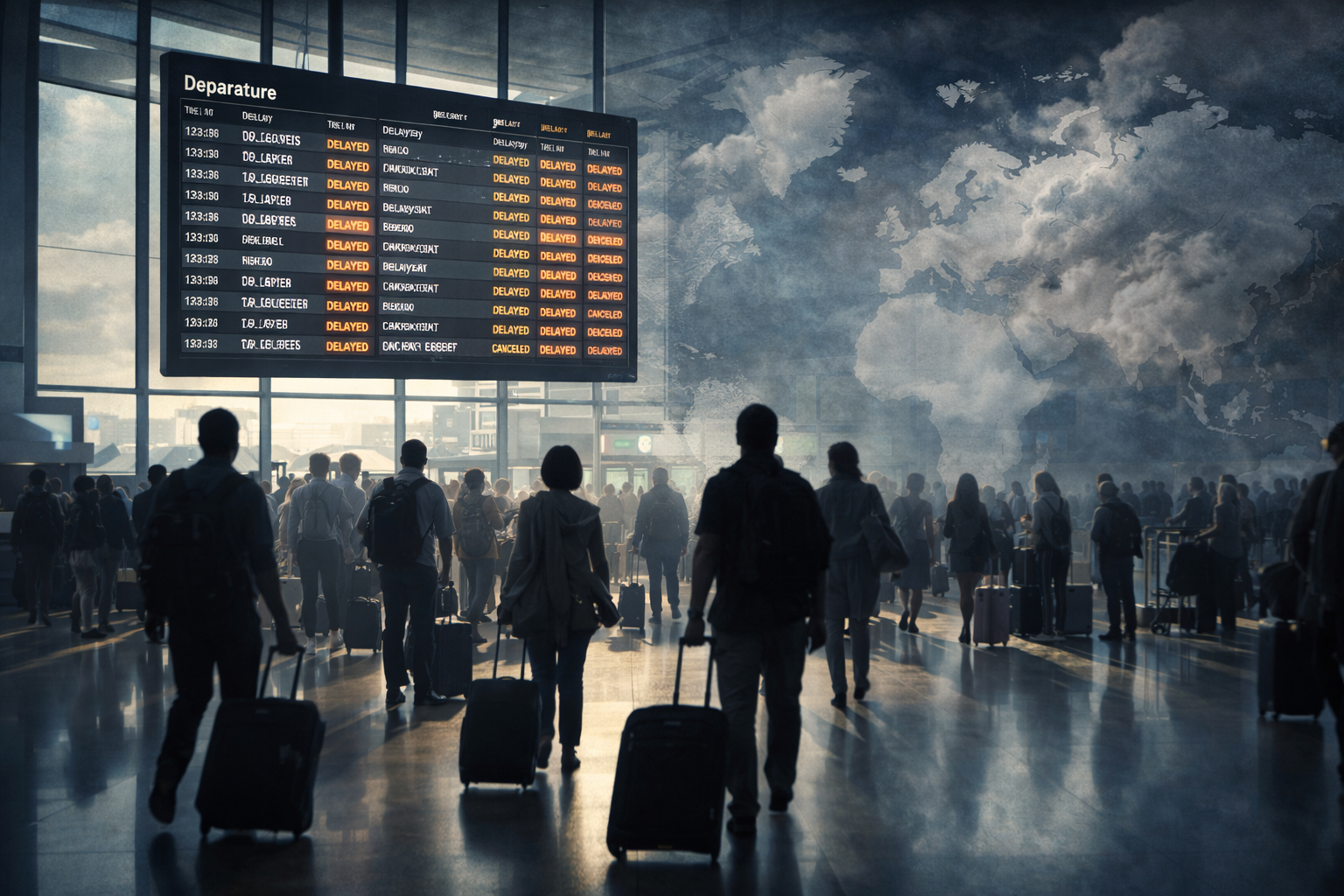
Climate conditions are playing a larger role in Brazil travel planning. Heavy rainfall in parts of the Amazon basin and extended heat waves in southern and coastal regions have affected flight schedules, river transport, and outdoor activities.
Travelers should factor seasonal risks into itineraries, particularly for:
- Amazon river cruises and jungle lodges
- Hiking and wildlife-focused trips
- Urban sightseeing during extreme heat periods
Tourism officials continue to encourage off-peak and shoulder-season travel to reduce environmental strain and improve the visitor experience.
Costs, currency, and safety considerations
Brazil remains a relatively affordable destination for many international travelers due to favorable exchange rates. Accommodations, dining, and domestic transportation often cost less than in comparable destinations elsewhere.
That said, travelers should:
- Monitor exchange rates and notify banks before departure
- Rely on credit cards in urban areas and carry limited cash
- Follow local safety guidance, particularly in major cities
Tourism police programs and multilingual visitor assistance services have expanded in key destinations, improving support for international visitors.
Bottom line for travelers
Brazil remains one of the world’s most diverse travel destinations, offering vibrant cities, iconic beaches, rainforests, and wildlife experiences. With improved air access, evolving visa rules, and ongoing infrastructure upgrades, travelers who plan ahead can navigate the changes smoothly and take full advantage of what Brazil has to offer in 2026.
About The Author