Tourism in Ukraine in 2026: A Resilient Travel Scene Emerges in Europe’s Most Unlikely Destination
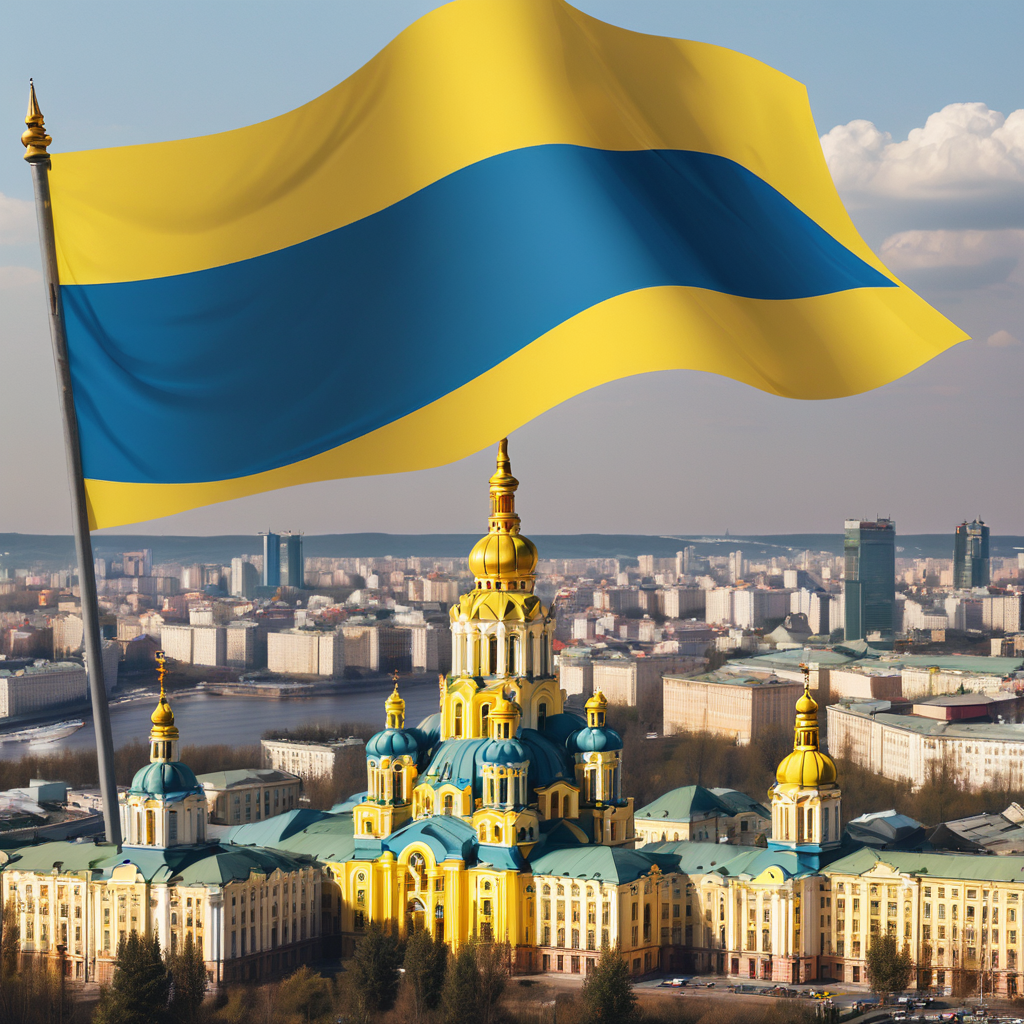
By ChatGPT | MundoTravelNews.com | 2026
Ukraine is not a conventional tourism headline in 2026, and that’s exactly why it keeps drawing attention.
Four years into Russia’s full-scale invasion, Ukraine remains under martial law, and major governments still warn travelers against non-essential visits. Yet despite the conflict’s ongoing realities, Ukraine’s tourism economy is not “dead.” In some regions, it is evolving into something entirely new: a combination of heritage travel, solidarity tourism, domestic escapes, and carefully managed international visits—especially in the West.
In 2026, tourism in Ukraine is best described with one word: resilience.
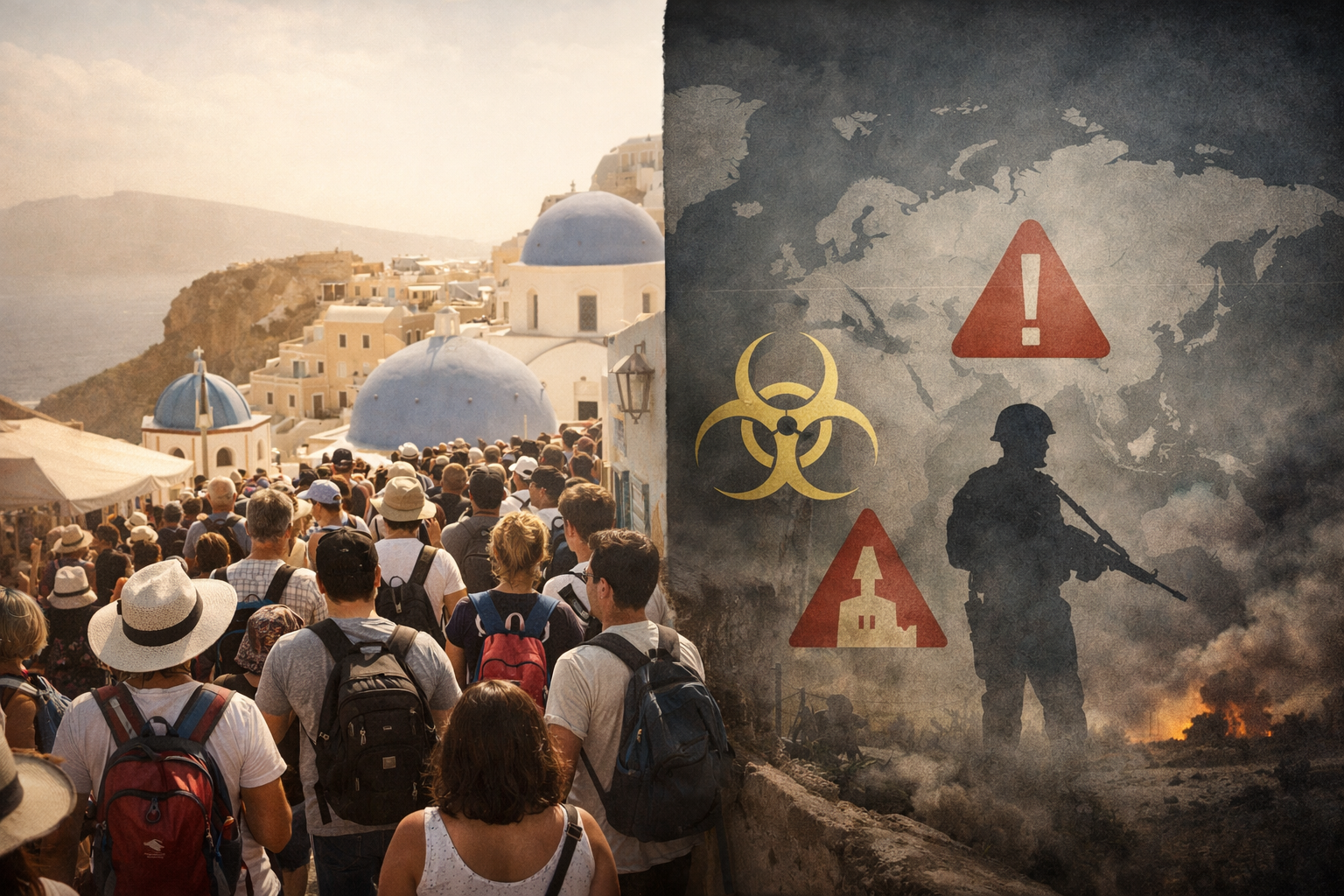
The Reality Check: Ukraine Is Still Not a Normal Destination
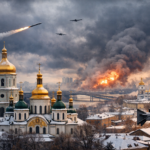
First, the facts travelers must understand: Ukraine’s security situation remains unstable. Missile and drone attacks continue to strike cities and infrastructure. Many countries, including the United States, the UK, Canada, and Australia, still advise against travel due to the dangers and limited ability to provide consular assistance.
That warning isn’t theoretical. Travelers can face air raid alarms, sudden curfews, disruption to transportation, and rapidly changing regional risk levels.
However, Ukraine is also not completely closed off. In practice, travel continues, especially in western Ukraine, with tours, hotels, restaurants, museums, and cultural institutions operating where conditions allow.
How People Are Traveling to Ukraine in 2026
One of the biggest changes from pre-war travel is logistical: Ukraine’s airspace remains closed to civilian flights, meaning travelers enter mainly by land, typically from Poland, Slovakia, Hungary, Romania, or Moldova.
This has reshaped the tourism flow. Lviv, Ivano-Frankivsk, and the Carpathian region, already popular before 2022, have become even more important as entry hubs and comparatively lower-risk travel bases.
Airlines are openly preparing for a future restart of flights, with Ryanair and Wizz Air among those positioning themselves to return quickly once airspace reopens.
That planning alone is meaningful: airlines don’t map routes unless they believe demand will be there.
Tourism Money Is Still Moving, Even During War
While international tourism volumes remain far below pre-war norms, Ukraine’s tourism-related tax collections show the sector’s surprising durability.
Reports citing Ukraine’s tourism data indicate that tourism taxes in early 2025 exceeded pre-war levels, with the State Agency for Tourism Development highlighting increased tourism-sector contributions to government revenues.
This does not mean mass leisure tourism has returned. Instead, it reflects:
- strong domestic travel in safer regions
- displaced Ukrainians traveling internally
- visiting professionals, contractors, journalists, NGOs
- diaspora visits and family reunification travel
- a small but growing number of foreign visitors
In other words: Ukraine is seeing an emerging “war-era travel economy,” different from the one that existed before 2022.
Domestic Tourism Is the Engine in 2026
One of the biggest trends shaping tourism is that Ukrainians themselves are traveling inside their own country at historic levels—especially to the west.
A study cited in Ukrainian business reporting found that domestic travel became the overwhelmingly preferred option, rising sharply from 2024 into 2025.
That shift has kept many hotels, cafes, mountain lodges, and tour operators alive—especially in the Carpathians, Lviv region, and western cultural centers.
What Tourists Are Coming for: Culture, Heritage, and “Solidarity Travel”
Ukraine tourism in 2026 isn’t built around beach vacations or “bucket list Europe.” It’s increasingly built around meaning.
International visitors who do come tend to fall into a few categories:
- Solidarity travelers who want their spending to support Ukrainian communities
- Heritage travelers drawn to deep history, churches, architecture, Jewish heritage routes, and WWII sites
- Journalism/history-minded travelers who want to understand Europe’s defining conflict of the era
- Reconstruction and professional travel, which blends business and tourism
Ukraine’s own tourism authorities continue promoting Ukraine internationally as a future-ready destination—while focusing on domestic tourism and rebuilding tourism competitiveness.
This trend is sometimes linked to “dark tourism” or “hot-war tourism” in academic research, which analyzes why people visit active conflict zones. It’s controversial, but real.
Where Travel Is Happening Most in 2026
Not all destinations are equal. The safest and most visited areas remain primarily in the west:
Top travel zones (relative to others):
- Lviv – the leading cultural gateway city for foreign visitors
- Ivano-Frankivsk & the Carpathians – hiking, nature, wellness, mountain culture
- Chernivtsi – architecture and Austro-Hungarian cultural legacy
- Uzhhorod / Zakarpattia – quieter border region travel
Kyiv continues to receive visitors as well, especially for cultural institutions and guided tours, but with greater disruption risk from air strikes.
What Travelers Need to Know Before Going
For those considering Ukraine in 2026, preparation is everything:
Key travel guidance:
- Expect no commercial flights into Ukraine (land routes dominate).
- Plan for air raid alerts, shelter awareness, and local curfews
- Confirm insurance coverage (many insurers exclude war zones)
- Use region-specific risk planning (conditions vary widely across the country)
- Stay away from frontline regions and border-risk zones
Ukraine can be visited—but it should only be done with clear-eyed realism and appropriate safety discipline.
The Outlook: Ukraine’s Tourism “Rebuild Era” Is Already Starting
Even before peace arrives, Ukraine’s tourism sector is laying the foundation for what comes next.
Global tourism analysts have pointed out that tourism demand often rebounds after a major conflict, especially when rebuilding begins, and curiosity rises.
In Ukraine’s case, a future boom may be driven by:
- returning diaspora and families
- reconstruction labor travel
- renewed cultural tourism
- and, inevitably, travelers who want to witness history firsthand
The long-term tourism story of Ukraine may become one of Europe’s most dramatic recoveries, but 2026 is still the bridge between survival and reinvention.
About The Author