If there’s one thing the Cold War left behind besides bunkers and propaganda posters, it’s a trail of cities where the world’s most powerful intelligence services fought a silent war in the shadows. The CIA and KGB became legendary symbols of an era when information mattered as much as missiles, and travel hubs turned into recruiting grounds for spies, defectors, and double agents.
Today, those same cities have become must-visit destinations for travelers seeking history with an edge—places where you can walk past former safe houses, cross bridges where agents were swapped, tour surveillance museums, and stand in rooms where international crises were quietly negotiated.
Here are the five best Cold War espionage cities to visit in 2026, along with what modern travelers should experience in each.
1) Berlin, Germany: The Cold War’s “Capital of Espionage”
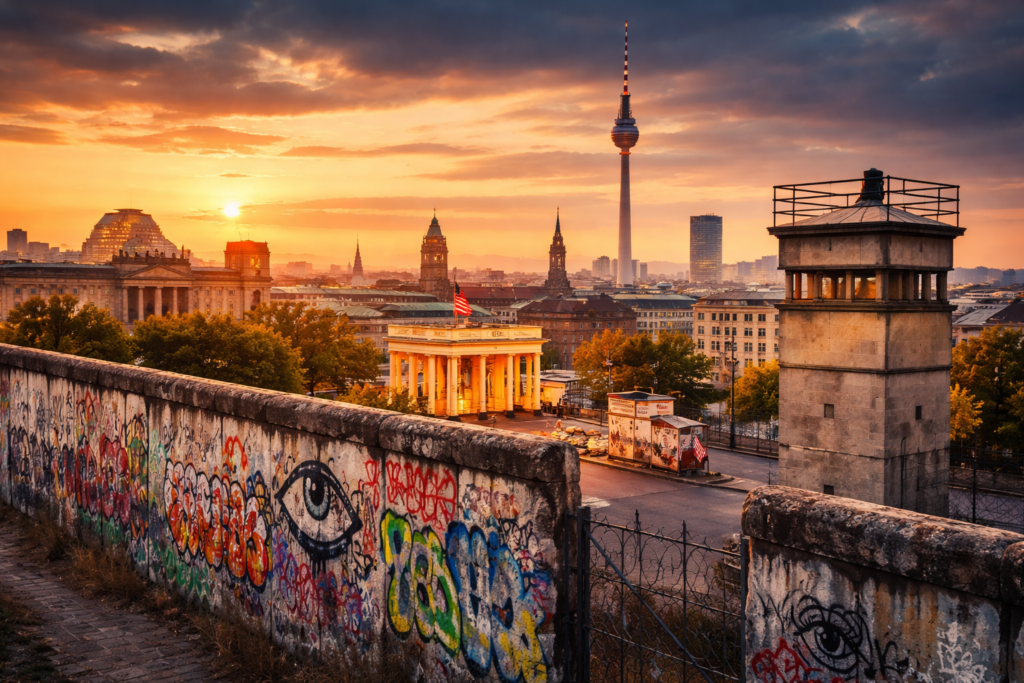
No city is more synonymous with Cold War spycraft than Berlin, the divided heart of Europe’s ideological battle. With East and West pressing tightly against each other, Berlin became the perfect environment for surveillance, infiltration, and dramatic escape attempts. The CIA’s Berlin operations helped shape intelligence history, and Berlin was routinely described as a front-line espionage city.
What to see in 2026:
- Berlin Wall Memorial (Bernauer Straße): A deeply moving outdoor history site with preserved Wall structures.
- Checkpoint Charlie area: Tour exhibits showing escape routes, documents, and personal stories.
- German Spy Museum (Deutsches Spionagemuseum): A modern and interactive museum dedicated to espionage methods and technology—perfect for travelers who want hands-on exhibits.
Why it’s worth the trip: Berlin isn’t just Cold War history—it’s a living timeline. You can feel the pressure of the divided city while enjoying today’s creative energy, food scene, and architecture.
2) Vienna, Austria: Neutral Ground for Spies and Diplomats
During the Cold War, Vienna’s neutrality made it a magnet for intelligence officers from both blocs. A city packed with diplomats and international organizations is naturally ideal for covert meetings, discreet recruitment, and quiet information exchange. Vienna’s reputation as an espionage center didn’t vanish with the Cold War either—modern reporting continues to highlight it as a major intelligence hub.
What to see in 2026:
- Hotel Sacher / Café Central-style coffee culture: The classic spy-movie vibe is real here—order a coffee and imagine coded conversations at the next table.
- UN Vienna (UNO City): A symbol of the city’s international role and “neutral meeting” identity.
- Ringstraße walking tour: Grande embassies and stately buildings—prime atmosphere for Cold War storytelling.
Why it’s worth the trip: Vienna blends elegance and tension better than almost anywhere: imperial palaces and classical music by day, espionage lore by night.
3) Washington, D.C., USA: The Target-Rich Capital
If Moscow was the fortress, Washington, D.C. was the prize. As the center of U.S. government, defense, and policy, it was an irresistible environment for Soviet intelligence operations during the Cold War era. Declassified historical analysis (including VENONA-era insights) shows how important Washington became for Soviet sources and networks.
What to see in 2026:
- International Spy Museum: One of the most entertaining and information-packed museums in the U.S.
- Cold War–era landmarks: Walk the National Mall where historic speeches, protests, and international messaging played out.
- Georgetown: A neighborhood with layers of political and diplomatic history.
Why it’s worth the trip: This is where the Cold War was managed, shaped, and “sold” to the public—while intelligence battles quietly unfolded behind closed doors.
4) Moscow, Russia — The KGB’s Home Territory
For travelers comfortable with the political sensitivities and current travel realities, Moscow remains historically essential to Cold War intelligence history. The Soviet security apparatus that later became the KGB represented one of the most powerful intelligence structures in modern history.
What to see in 2026 (where accessible):
- Lubyanka Square area: Historically associated with Soviet security leadership.
- Soviet-era architecture tours: The Cold War story is built into Moscow’s physical design and monumental scale.
- Museums on Soviet history: Focus on context—political ideology, daily life, and the state structure that drove intelligence priorities.
Why it’s worth the trip: Moscow gives the clearest sense of the Soviet worldview and the centralized power that made intelligence such a defining tool of state control.
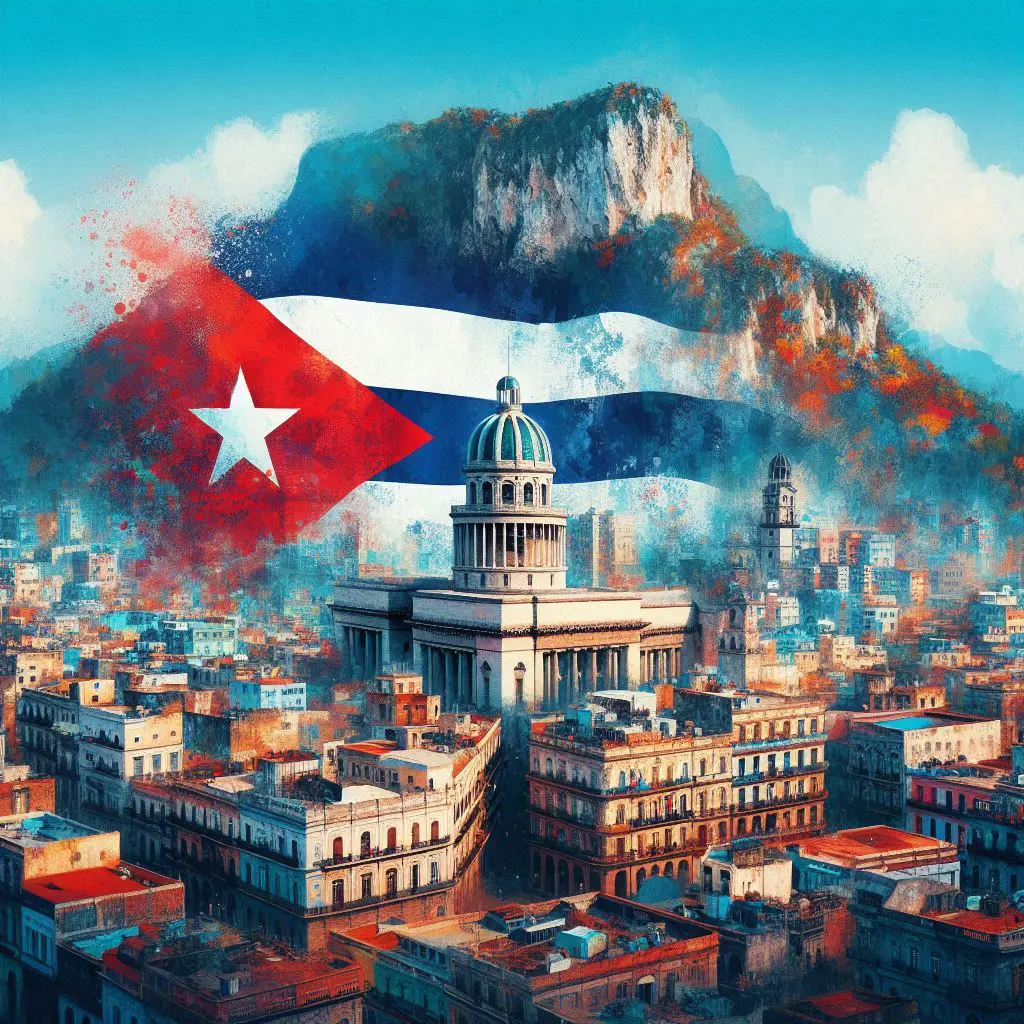
5) Havana, Cuba — The Caribbean Front Line
Few places were as strategically intense as Havana after the Cuban Revolution. With Cuba aligned with the Soviet Union and positioned just 90 miles from Florida, Havana became a hotspot for intelligence activity, proxy struggle, and geopolitical anxiety—an environment thick with surveillance and international maneuvering.
What to see in 2026:
- Revolution Museum (Museo de la Revolución): Essential for understanding Cuba’s post-1959 transformation.
- Malecón and Old Havana: A visually unforgettable cityscape—cinematic, historic, and emotionally powerful.
- Cold War memory tours: Seek local guides who can share the social and political reality of the era.
Why it’s worth the trip: Havana offers something rare: Cold War history you can see, feel, and photograph—crumbling grandeur mixed with cultural resilience.
Why “Espionage Travel” Is Trending in 2026
Dark tourism and history-driven travel are growing trends, and “spy cities” offer an ideal mix of education and entertainment. Travelers want destinations with a story. Places that feel like a movie, but are grounded in real-world events. Berlin and Vienna remain especially strong because they combine accessible historical sites with modern tourism infrastructure.
For photographers and curious travelers alike, these cities are immersive time capsules—and each one tells a different chapter of the Cold War’s silent conflict.
About The Author