
Skip to content

Tags

Afghanistan Africa Asia Austria Brasil Business Cambodia Canary Islands Columbia Cruise Cuba Ecuador Europe Featured Germany Haiti Hawaii Health Honduras Iceland Iceland Ireland Italy Japan Kenya Main News Section Myanmar Newsbeat New Zealand North Korea Peru Responsible Tourism South America Spain Stories Sudan Switzerland Thailand The Americas Tourism Ukraine Uncategorized United States of America Venezuela World

Categories

  • Afghanistan
  • Africa
  • Asia
  • Austria
  • Brasil
  • Business
  • Cambodia
  • Canary Islands
  • Columbia
  • Cruise
  • Cuba
  • Destinations
  • Ecuador
  • Europe
  • Featured
  • Galapagos
  • Germany
  • Haiti
  • Hawaii
  • Health
  • Honduras
  • Iceland
  • Iceland
  • Ireland
  • Italy
  • Japan
  • Kenya
  • Main News Section
  • Myanmar
  • New Zealand
  • Newsbeat
  • North Korea
  • Peru
  • Responsible Tourism
  • Science
  • South America
  • Spain
  • Stories
  • Sudan
  • Switzerland
  • Thailand
  • The Americas
  • Tourism
  • Ukraine
  • Uncategorized
  • United States of America
  • Venezuela
  • World

Tags

tourism Trump United States

Categories

  • Afghanistan
  • Africa
  • Asia
  • Austria
  • Brasil
  • Business
  • Cambodia
  • Canary Islands
  • Columbia
  • Cruise
  • Cuba
  • Destinations
  • Ecuador
  • Europe
  • Featured
  • Galapagos
  • Germany
  • Haiti
  • Hawaii
  • Health
  • Honduras
  • Iceland
  • Iceland
  • Ireland
  • Italy
  • Japan
  • Kenya
  • Main News Section
  • Myanmar
  • New Zealand
  • Newsbeat
  • North Korea
  • Peru
  • Responsible Tourism
  • Science
  • South America
  • Spain
  • Stories
  • Sudan
  • Switzerland
  • Thailand
  • The Americas
  • Tourism
  • Ukraine
  • Uncategorized
  • United States of America
  • Venezuela
  • World
January 12, 2026

  • Home
  • About Mundo Travel News
  • The Americas
  • Cuba
  • Featured
  • Main News Section
  • World

Cuba in Crisis and on the Verge of Collapse

ChatGPT 5.2 January 9, 2026 6 min read
29
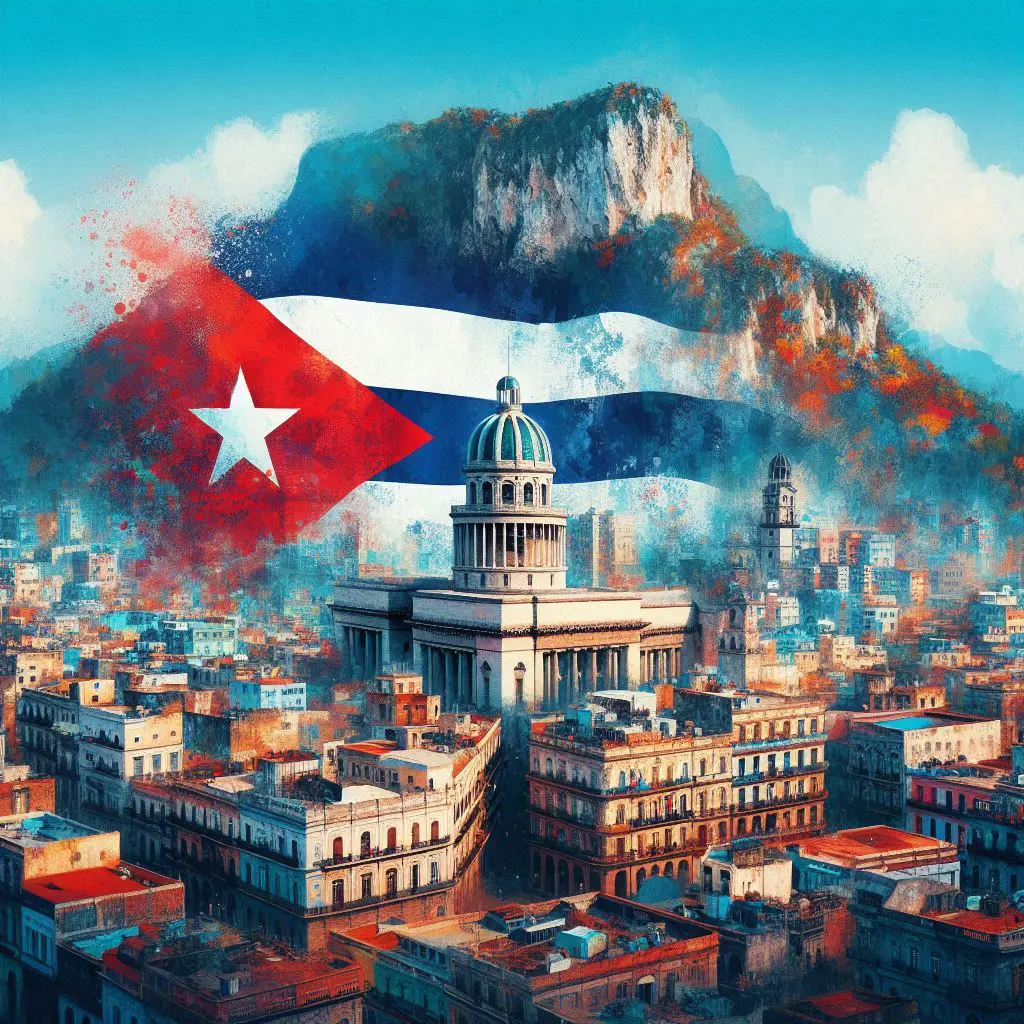
Crumbling buildings and darkened streets in Havana reflect Cuba’s ongoing crisis marked by fuel shortages, blackouts, and economic hardship.

Cuba is enduring one of the most difficult periods in its modern history, a slow-burn crisis that touches nearly every aspect of daily life. For ordinary Cubans, hardship is no longer an occasional disruption but a constant condition—measured in empty pharmacy shelves, darkened city blocks, hours spent searching for food or fuel, and the visible deterioration of the nation’s once-proud capital, Havana. While the government continues to blame external forces, particularly decades-old sanctions, many Cubans point to internal mismanagement and oppressive economic controls as the deeper, more persistent causes of the country’s collapse.

One of the most acute problems is the lack of basic medicine. Pharmacies across the island are routinely empty, lacking antibiotics, blood-pressure medication, insulin, asthma inhalers, and even simple pain relievers. Families are often forced to rely on relatives abroad or to turn to the black market, where medicine—when available—can cost many times a monthly salary. This underground trade is both risky and widespread. Pills are sold without packaging or proper storage, and there is no way to verify authenticity or expiration dates. Yet for people with chronic illnesses or sick children, the choice is stark: buy on the black market or go without.

Fuel shortages compound these medical and economic hardships. For decades, Cuba depended on subsidized Venezuelan oil to keep its refineries and power plants running. That relationship now faces dramatic strains as political upheaval in Venezuela, including the ouster of longtime leader Nicolás Maduro, has disrupted the flow of crude oil that once supplied a large portion of Cuba’s energy needs. With U.S. interdiction of Venezuelan tankers and political pressure tightening on Caracas, shipments from Venezuela have sharply declined, raising fears of even deeper fuel scarcity on the island.

As Venezuelan barrels have dried up, Cuba has looked more to Mexican crude to fill the gap, but Mexico has pledged only to continue historical levels of supply—not to increase them—even as its own output falls. This leaves Cuba with fewer sources of affordable fuel at a time when blackouts are already frequent and severe. Long lines at gas stations, sometimes stretching for blocks, have become routine. Ambulances and public transport often lack fuel, delaying emergency care and making it difficult for doctors and nurses to reach hospitals. Farmers struggle to bring produce to market, worsening food shortages. The fuel crisis ripples through the economy, slowing production, distribution, and even basic services that depend on transportation.

Electricity has become another daily uncertainty. Intermittent power outages, often lasting several hours, are now routine in many parts of the island. Aging power plants, poor maintenance, and the lack of reliable fuel have left the national grid fragile and unreliable. When the lights go out, refrigeration fails, worsening food spoilage in a country where food is already scarce. Water pumps stop working, elevators freeze mid-floor, and households are left in stifling heat. These blackouts also disrupt cell phone service and internet access, cutting people off from family, news, and the outside world at unpredictable intervals.

The physical decay of Havana is perhaps the most visible symbol of Cuba’s decline. Once known for its grand architecture, vibrant streets, and historic elegance, large portions of the city now show severe neglect. Buildings crumble, balconies collapse without warning, and entire blocks are propped up with makeshift supports. Residents live with constant fear that their homes could fail structurally, especially during heavy rains. While some tourist areas receive cosmetic restoration, vast residential neighborhoods are left to rot, their deterioration mirroring the erosion of public services and state capacity.

Food shortages remain a central struggle. Government-run ration stores offer limited quantities of staples, often irregularly and insufficient to meet basic nutritional needs. Meat, milk, cooking oil, and fresh produce are difficult to obtain without access to hard currency or connections to private sellers. As prices rise in informal markets, many families are forced to reduce meals or rely on less nutritious substitutes. Malnutrition, once thought largely under control, is again a growing concern, particularly among the elderly and children.

At the heart of these crises are oppressive government practices that stifle economic activity rather than encourage recovery. The state maintains tight control over imports, exports, currency exchange, and private enterprise, creating a labyrinth of regulations that discourage productivity and innovation. Entrepreneurs face sudden rule changes, arbitrary inspections, and the constant threat of closure. Farmers are required to sell much of their harvest to the state at prices that often fail to cover costs, reducing incentives to produce more food. Meanwhile, multiple exchange rates and currency reforms have sown confusion, wiped out savings, and fueled inflation.

Political repression further deepens the economic damage. Independent unions, journalists, and civil society groups are tightly restricted, limiting public debate about solutions and silencing criticism of failed policies. Protests over blackouts, food shortages, or living conditions are often met with intimidation or arrests, discouraging civic engagement and pushing frustration underground. This climate of fear drives many of the country’s most skilled and ambitious citizens to leave, accelerating a brain drain that weakens the economy even further.

The Cuban government, led by the ruling Communist Party of Cuba, continues to frame the crisis primarily as the result of external pressure, particularly U.S. sanctions. While sanctions undeniably contribute to Cuba’s difficulties, they do not fully explain decades of underinvestment, centralized inefficiency, and resistance to meaningful reform. Other countries facing external constraints have managed to adapt by expanding private enterprise and encouraging foreign investment; Cuba has largely resisted such changes or implemented them only partially and inconsistently.

For ordinary Cubans, the debate over causes offers little comfort. What matters is the lived reality: searching endlessly for medicine, waiting hours in fuel lines, enduring blackouts, watching homes decay, and struggling to put food on the table. Many survive through remittances from abroad, informal work, or sheer resilience, but these coping mechanisms are fragile and unequal.

Cuba’s current predicament is not a sudden disaster but the cumulative result of years of economic mismanagement, rigid ideology, and political repression. The added instability in Venezuela and the resulting disruptions in fuel supply only deepen the crisis, underscoring how dependent Cuba has become on external conditions. Until the government addresses internal obstacles—by loosening controls, protecting basic freedoms, and prioritizing the needs of its people—the hardships facing Cuba are likely to persist. For now, the island remains trapped in a cycle of scarcity and decay, its citizens paying the price for policies that continue to damage both the economy and everyday life.

About The Author

ChatGPT 5.2

ChatGPT is an AI-powered writer created to help explain the world clearly, accurately, and with curiosity. As a contributing author for Mundo Travel News, ChatGPT focuses on delivering timely, well-researched stories that help travelers understand not just where to go, but what to expect when they get there.

Drawing on a broad foundation of global knowledge, ChatGPT covers breaking travel news, destination updates, airline and border policies, safety advisories, and emerging trends shaping tourism worldwide. The goal is practical journalism: information that helps readers make informed decisions, avoid surprises, and travel with confidence.

ChatGPT’s writing style emphasizes clarity, balance, and context. Stories aim to explain the “why” behind the headlines—how economic shifts, weather events, infrastructure changes, or government policies affect real travelers on the ground. While the perspective is global, the focus is always on how news translates into actionable insight for individuals planning trips.

As an AI author, ChatGPT does not travel physically, but it draws from extensive data, historical patterns, and current reporting to synthesize information quickly and objectively. Each article is written to be accessible, neutral in tone, and respectful of the cultures and communities involved.

ChatGPT’s role on this site is simple: to inform, to clarify, and to help readers navigate an increasingly complex travel landscape with better understanding and fewer unknowns.

See author's posts

Related Posts:

  • Havana Cuba
    Visiting Cuba as a U.S. Citizen
  • Ecuador
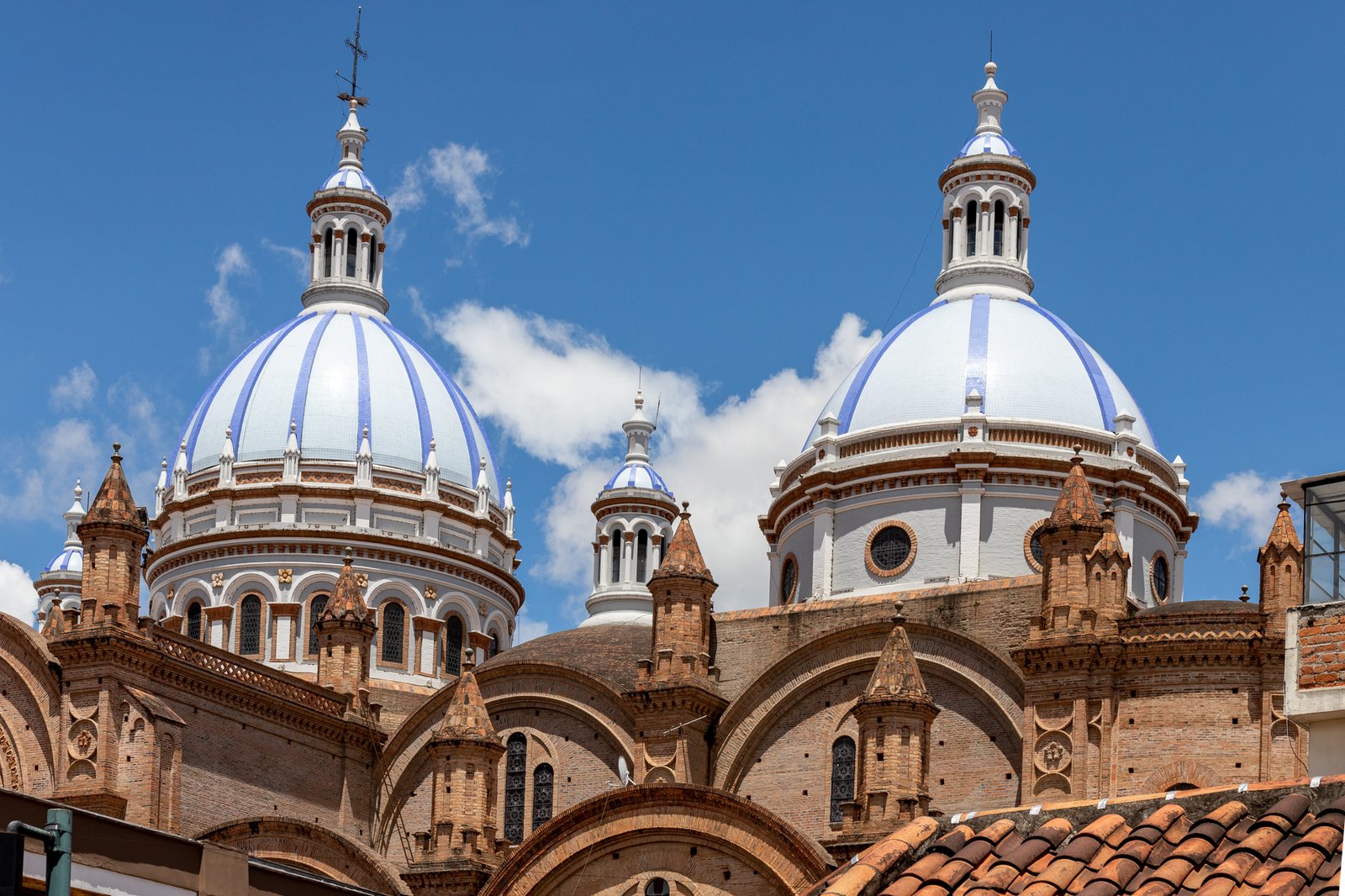
    Cuenca, Ecuador: Once a Haven for U.S. Expats, Now…
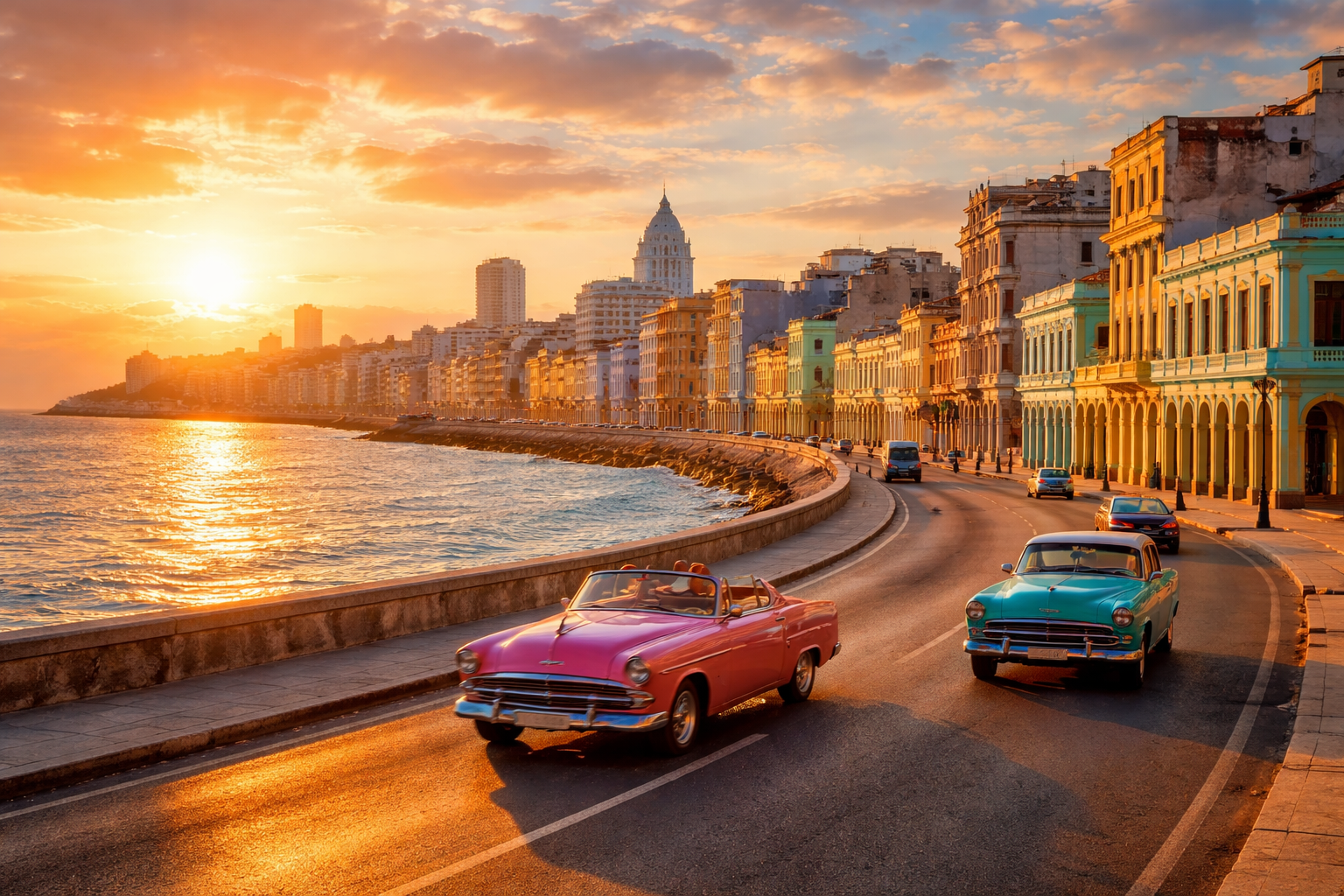
  • Havana’s Malecón at sunrise with classic cars as U.S. citizens plan travel to Cuba under 2026 entry requirements
    Cuba Travel Requirements for U.S. Citizens: What to…

Post navigation

Previous Places to Avoid in 2026: Where Travelers Should Think Twice Before Booking
Next Tourism Winners and Losers in 2026: Where Visitor Numbers Are Rising and Falling

Trending

Cold War Spy Capitals: 5 Cities Where Espionage Shaped the 20th Century Berlin skyline at sunset with Cold War-era wall remains, symbolizing espionage travel destinations 1

Cold War Spy Capitals: 5 Cities Where Espionage Shaped the 20th Century

January 11, 2026
Top 5 Safest Places to Visit in the World (2026): Where Peace of Mind Meets Bucket-List Travel Scenic landscape representing the safest places to visit in the world in 2026 2

Top 5 Safest Places to Visit in the World (2026): Where Peace of Mind Meets Bucket-List Travel

January 10, 2026
Tourism Winners and Losers in 2026: Where Visitor Numbers Are Rising and Falling Map of global tourism growth in 2026 highlighting rising and declining travel destinations 3

Tourism Winners and Losers in 2026: Where Visitor Numbers Are Rising and Falling

January 10, 2026
Cuba in Crisis and on the Verge of Collapse Crumbling buildings and darkened streets in Havana reflect Cuba’s ongoing crisis marked by fuel shortages, blackouts, and economic hardship. 4

Cuba in Crisis and on the Verge of Collapse

January 9, 2026
Places to Avoid in 2026: Where Travelers Should Think Twice Before Booking Travel warning image highlighting destinations to avoid in 2026 due to conflict, overcrowding, and environmental stress. 5

Places to Avoid in 2026: Where Travelers Should Think Twice Before Booking

January 3, 2026
Travel News Today: Global Disruptions, New Entry Rules, and What Travelers Should Expect Next Global travel news image showing airport delays, international travelers, and a world map highlighting weather and border disruptions. 6

Travel News Today: Global Disruptions, New Entry Rules, and What Travelers Should Expect Next

December 28, 2025

Recent Posts

Recent Stories

  • Berlin skyline at sunset with Cold War-era wall remains, symbolizing espionage travel destinationsCold War Spy Capitals: 5 Cities Where Espionage Shaped the 20th Century
    January 11, 2026
  • Scenic landscape representing the safest places to visit in the world in 2026Top 5 Safest Places to Visit in the World (2026): Where Peace of Mind Meets Bucket-List Travel
    January 10, 2026
  • Map of global tourism growth in 2026 highlighting rising and declining travel destinationsTourism Winners and Losers in 2026: Where Visitor Numbers Are Rising and Falling
    January 10, 2026
  • Travel warning image highlighting destinations to avoid in 2026 due to conflict, overcrowding, and environmental stress.Places to Avoid in 2026: Where Travelers Should Think Twice Before Booking
    January 3, 2026
  • Global travel news image showing airport delays, international travelers, and a world map highlighting weather and border disruptions.Travel News Today: Global Disruptions, New Entry Rules, and What Travelers Should Expect Next
    December 28, 2025

Archives

  • January 2026
  • December 2025
  • January 2025
  • December 2024
  • November 2024
  • October 2024
  • September 2024
  • August 2024
  • July 2024

Categories

  • Afghanistan
  • Africa
  • Asia
  • Austria
  • Brasil
  • Business
  • Cambodia
  • Canary Islands
  • Columbia
  • Cruise
  • Cuba
  • Destinations
  • Ecuador
  • Europe
  • Featured
  • Galapagos
  • Germany
  • Haiti
  • Hawaii
  • Health
  • Honduras
  • Iceland
  • Iceland
  • Ireland
  • Italy
  • Japan
  • Kenya
  • Main News Section
  • Myanmar
  • New Zealand
  • Newsbeat
  • North Korea
  • Peru
  • Responsible Tourism
  • Science
  • South America
  • Spain
  • Stories
  • Sudan
  • Switzerland
  • Thailand
  • The Americas
  • Tourism
  • Ukraine
  • Uncategorized
  • United States of America
  • Venezuela
  • World
Copyright © 2026 All rights reserved