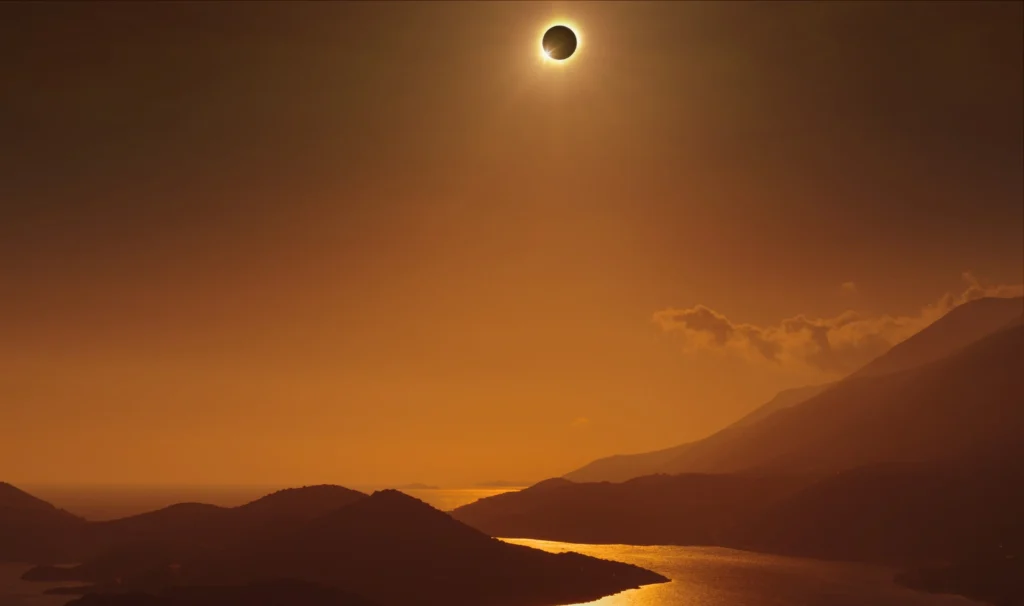
In August 2026, Iceland will be one of the most compelling destinations in the world to witness a major solar eclipse. With its wide-open landscapes, minimal light pollution, and dramatic natural scenery, Iceland offers travelers a rare chance to combine a once-in-a-lifetime astronomical event with one of Europe’s most visually striking travel experiences.
But eclipse travel comes with unique challenges. From crowded flights and limited accommodations to weather risks and eye safety, travelers planning an Iceland trip around the August 2026 solar eclipse should prepare carefully.
Why Iceland is a prime eclipse destination
Iceland’s appeal goes beyond its position relative to the eclipse path. August brings long daylight hours, accessible roads, and generally milder weather compared to other seasons. Travelers can reach coastal viewpoints, volcanic plains, and highland-adjacent areas without the winter driving risks Iceland is famous for.
Unlike densely populated eclipse-viewing destinations elsewhere, Iceland offers:
- Vast, unobstructed horizons
- Low levels of air pollution
- Numerous scenic pull-offs and natural viewpoints
For photographers and outdoor-focused travelers, the chance to frame the eclipse against glaciers, lava fields, or the North Atlantic coastline is a major draw.
Timing, daylight, and weather realities
While August is one of Iceland’s most accessible months, it is also unpredictable. Cloud cover is the single biggest risk for eclipse viewing in Iceland. Even in summer, weather systems can shift quickly, producing localized clouds or fog.
Travelers should plan with flexibility in mind:
- Be prepared to drive several hours to chase clearer skies
- Avoid overcommitting to fixed tours on eclipse day
- Monitor short-term weather forecasts closely
The advantage of Iceland’s compact road network is that conditions may differ dramatically within a relatively short distance.
Where to stay—and why booking early matters
Eclipse events place intense pressure on Iceland’s already-limited lodging supply. Hotels, guesthouses, and vacation rentals in August are often booked months in advance during normal years. For August 2026, demand is expected to be significantly higher.
Travelers should:
- Book accommodations as early as possible, even if plans may change
- Consider staying outside Reykjavík to increase flexibility
- Look at campervans or motorhomes, which allow mobility on eclipse day
Rental vehicles—especially campervans and 4WD options—are also likely to sell out well in advance.
Getting around Iceland during eclipse week
August is peak driving season in Iceland, and traffic congestion can increase around major attractions. During eclipse week, popular viewpoints and easily accessible scenic areas may see temporary crowding.
Key tips:
- Fuel up early and often
- Download offline maps and weather apps
- Identify multiple viewing locations in advance
While Iceland’s Ring Road allows relatively efficient travel, weather and traffic can slow progress on critical days.
Solar eclipse safety: what travelers must not overlook
Viewing a solar eclipse safely is essential. Looking directly at the sun without proper protection can cause permanent eye damage, even during partial phases.
Travelers should:
- Bring certified solar eclipse glasses (ISO 12312-2 compliant)
- Avoid homemade filters or unverified lenses
- Use proper solar filters on cameras and binoculars
Photography enthusiasts should test eclipse setups well before the event. Improvised solutions risk damaging both eyesight and equipment.
Costs and practical considerations
Iceland remains an expensive destination, particularly in summer. During eclipse travel periods, prices for flights, accommodations, and rentals may rise further due to demand.
To manage costs:
- Book flights early and monitor fare trends
- Consider self-catering accommodations
- Balance eclipse plans with less-crowded regions
Despite higher costs, many travelers view eclipse travel as a once-in-a-lifetime experience worth the premium.
Bottom line for travelers
The August 2026 solar eclipse presents a rare opportunity to experience one of nature’s most dramatic events in one of the world’s most striking landscapes. Iceland offers space, scenery, and accessibility—but success depends on early planning, flexibility, and a clear understanding of eclipse safety.
Travelers who prepare well, stay mobile, and respect both weather and eye-safety guidelines will be best positioned to enjoy an unforgettable Icelandic eclipse experience.
About The Author